
The French Embassy in Germany is committed to implementing France’s international strategy for feminist diplomacy (2025–2030). Within this framework, the Office for Science and Technology contributes a scientific dimension by reflecting on the tools, practices and programmes that can improve girls’ access to science and strengthen the representation of women in research and knowledge production. This approach also raises broader questions: how can visibility be promoted for scientific topics that remain underexplored due to gender bias in research? How can gender considerations be better integrated in order to foster more inclusive Franco-German scientific cooperation?
Against this backdrop, the Office for Science and Technology organized a series of events in Berlin on 11 February 2026, on the occasion of the International Day of Women and Girls in Science. Under the theme “Making the Invisibles Visible”, the initiative aimed to highlight the dynamics of visibility and invisibility affecting women and girls in science from a Franco-German perspective.
The programme explored these issues through several complementary dimensions: the representation of women in scientific careers, the way gender influences research topics and methodologies, and the role of research and education policies. It also sought to underline the consequences of the absence—or presence—of women in scientific fields. Finally, the initiative aimed to facilitate dialogue among experts from diverse backgrounds in order to identify possible avenues for action within the Franco-German context and contribute to integrating the issue of girls and women in science into the priorities of the bilateral agenda.
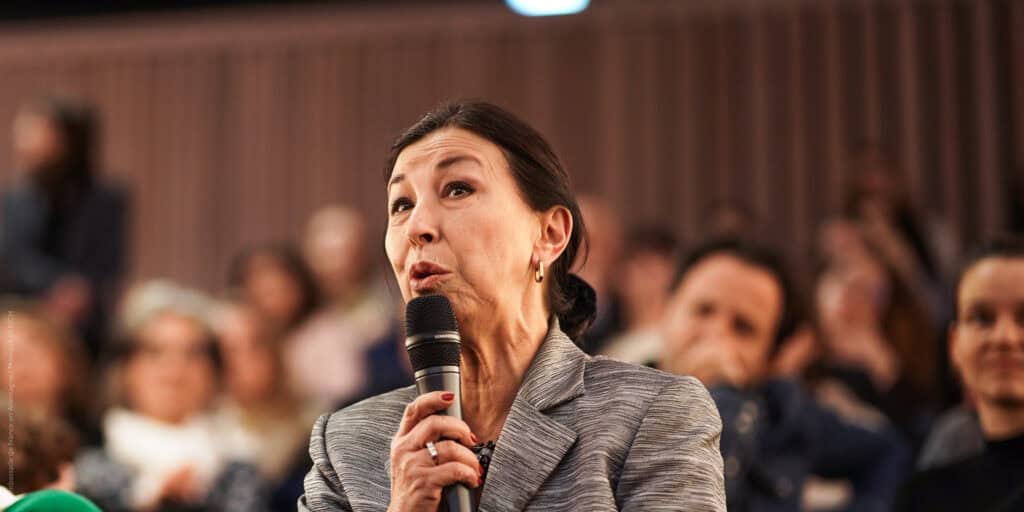
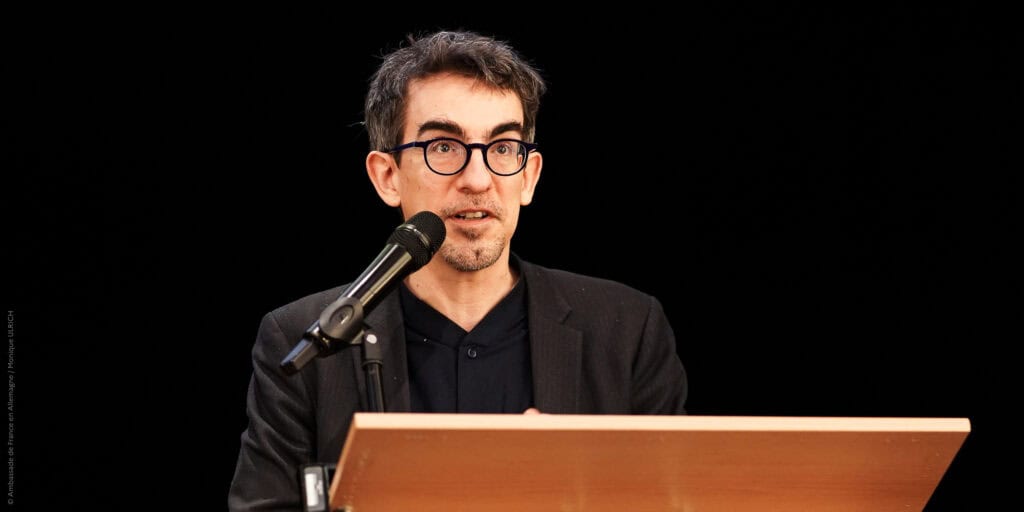
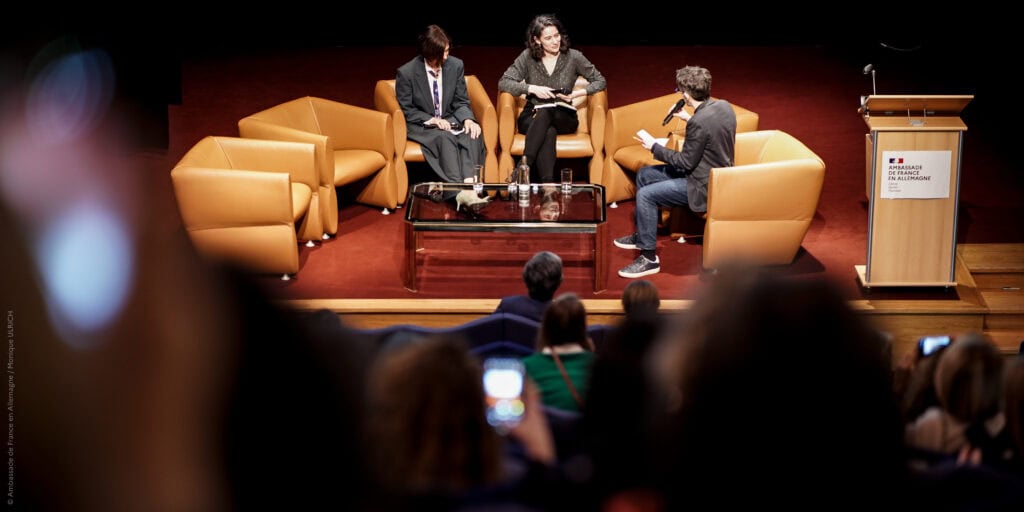
Context: Gender Gaps in STEM Education, Careers, and Research Outcomes in France and Germany
In both France and Germany, the representation of women in science, particularly in STEM disciplines (science, technology, engineering and mathematics), remains limited. Persistent gaps between women and men can be observed both in educational pathways and in scientific and technical careers.
In Germany, women represented 35.1 % of first-year students in STEM disciplines in 2022, while in French universities they accounted for 32 % of students in fundamental sciences in the same year. These disparities continue throughout academic careers. In 2023, women held 29 % of professorships in Germany, while they represented 40 % of teaching and research positions in France in 2022.
Disciplinary imbalances are also pronounced. While women constitute the majority in fields such as pharmacy or biology, they remain significantly underrepresented in areas such as engineering and physics in both countries.
Beyond issues of representation, the underrepresentation of women in science also affects the quantity and quality of research and can have direct consequences for women themselves. Excluding women from scientific careers means overlooking a significant share of available talent, ultimately limiting scientific progress. Moreover, research conducted by women is statistically more likely to integrate sex and gender dimensions into research questions and methodologies.
The health sector provides striking examples. For decades, medical research largely focused on male health, frequently excluding women from clinical trials despite clear evidence of sex-based differences in diagnosis, disease progression and responses to treatment. This has contributed to suboptimal care and adverse outcomes, particularly in fields such as cardiovascular diseases.
Similar dynamics can be observed in the digital sector. The underrepresentation of women in technological development contributes to the reproduction of gender biases in artificial intelligence systems. AI-generated images and large language models often reproduce stereotypical representations, associating women with domestic roles while linking men to leadership, business and professional environments.
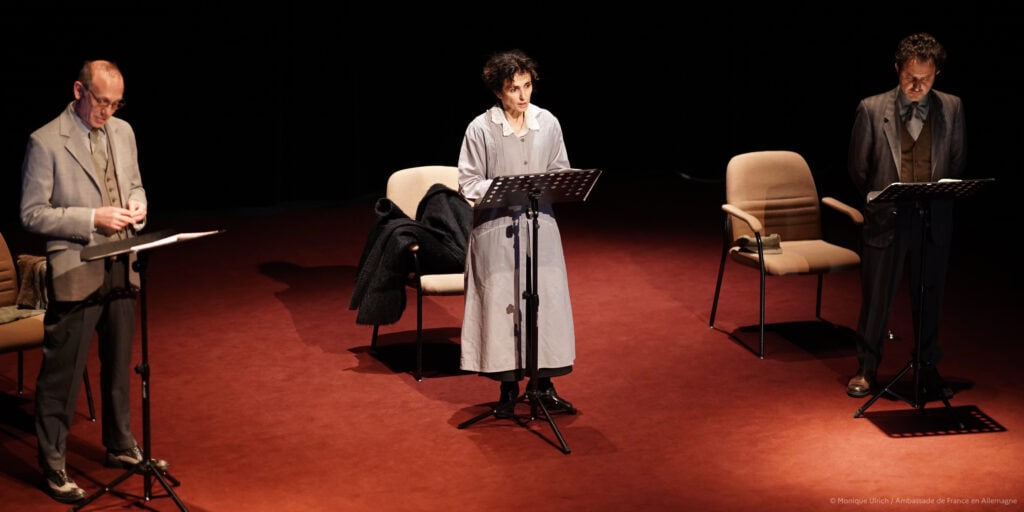
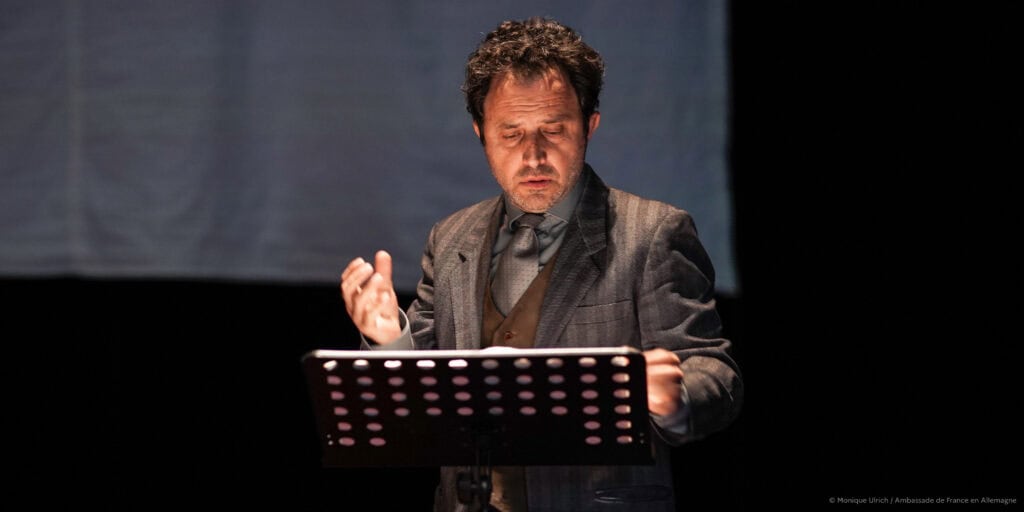
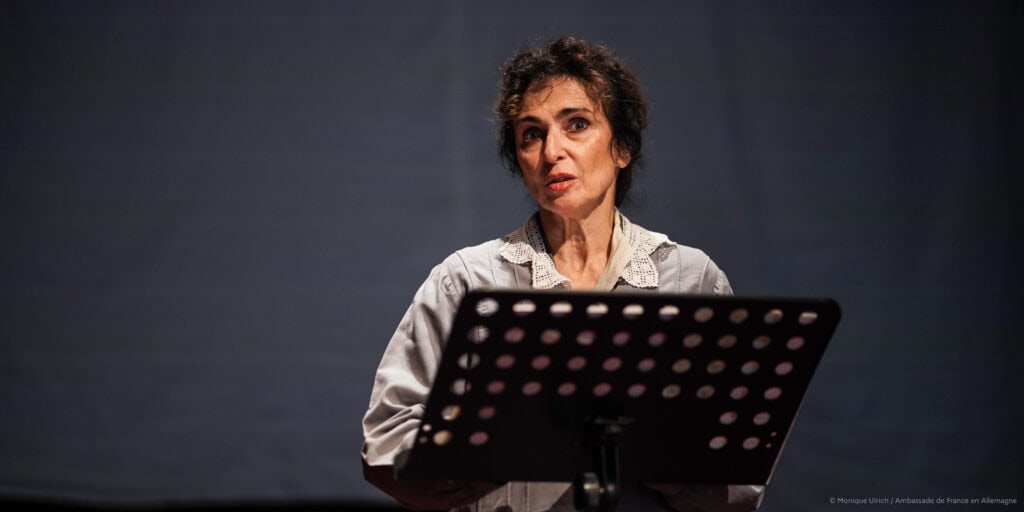
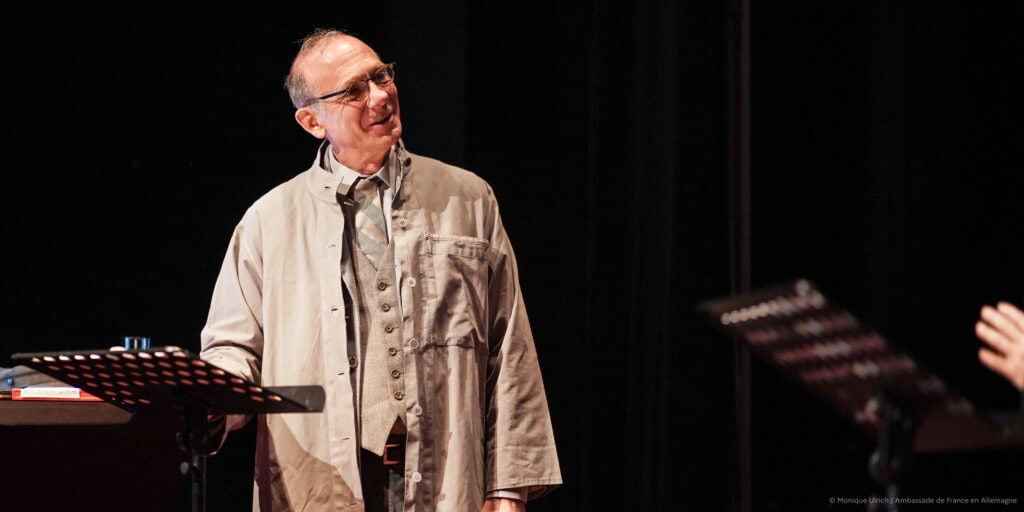
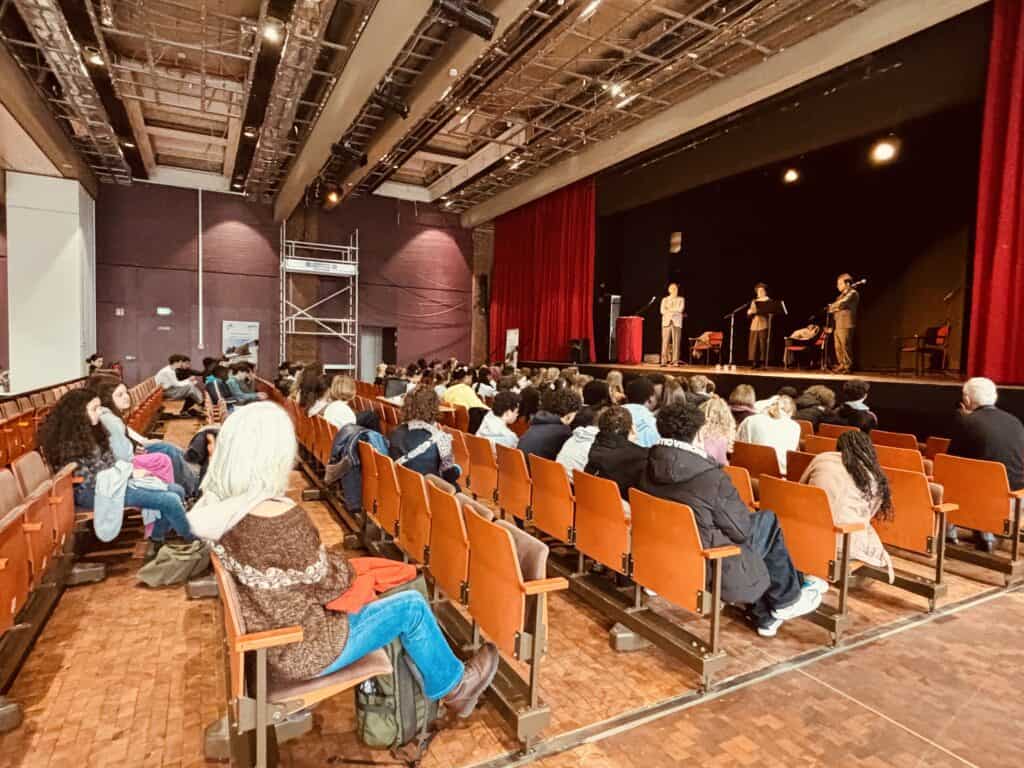
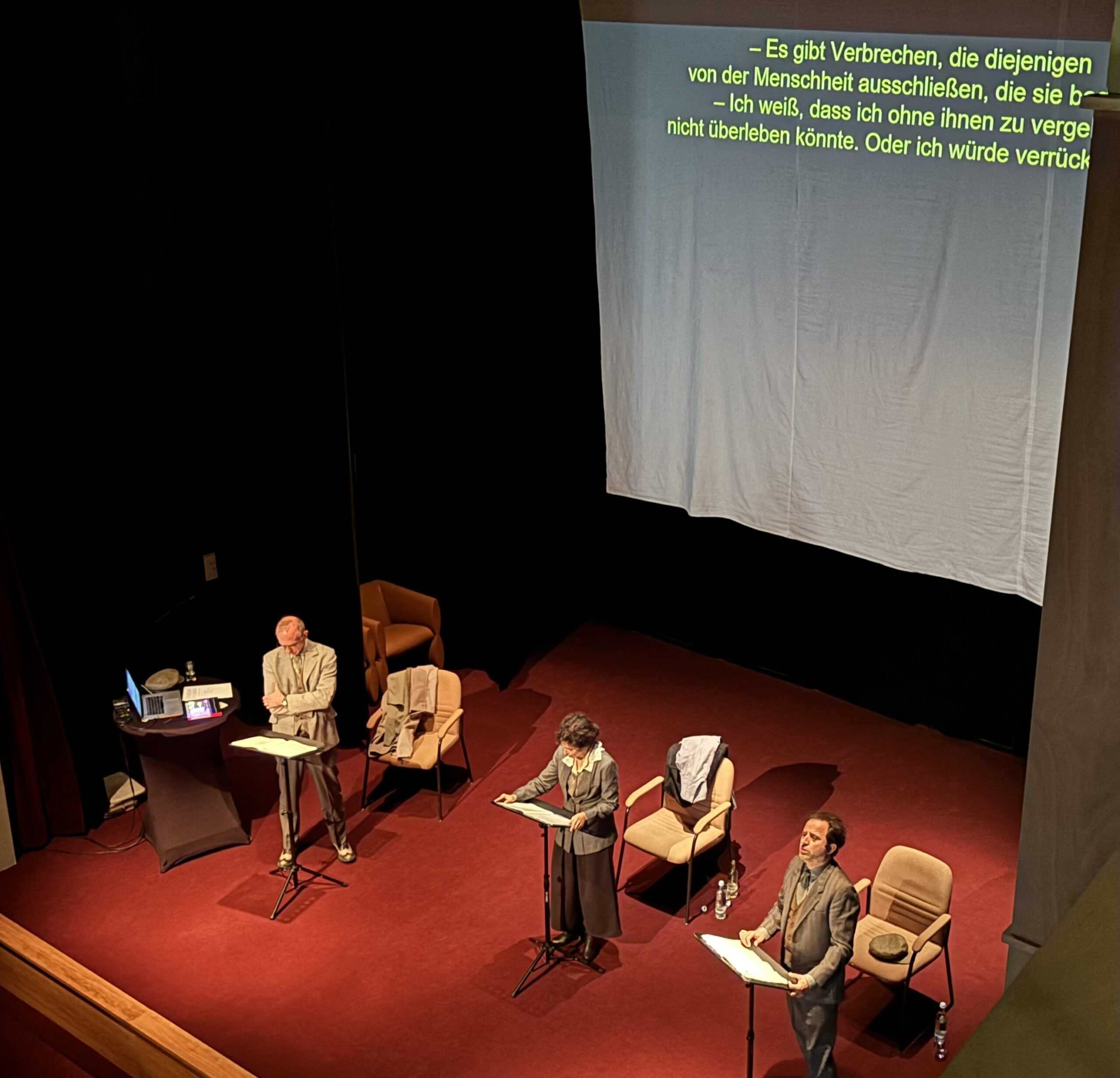
Opening event - Reading of the play Exil Intérieur – Lise Meitner ou la fission nucléaire (written by Elisabeth Bouchaud, produced by La Reine Blanche theater company), an illustration of the "Mathilda Effect"
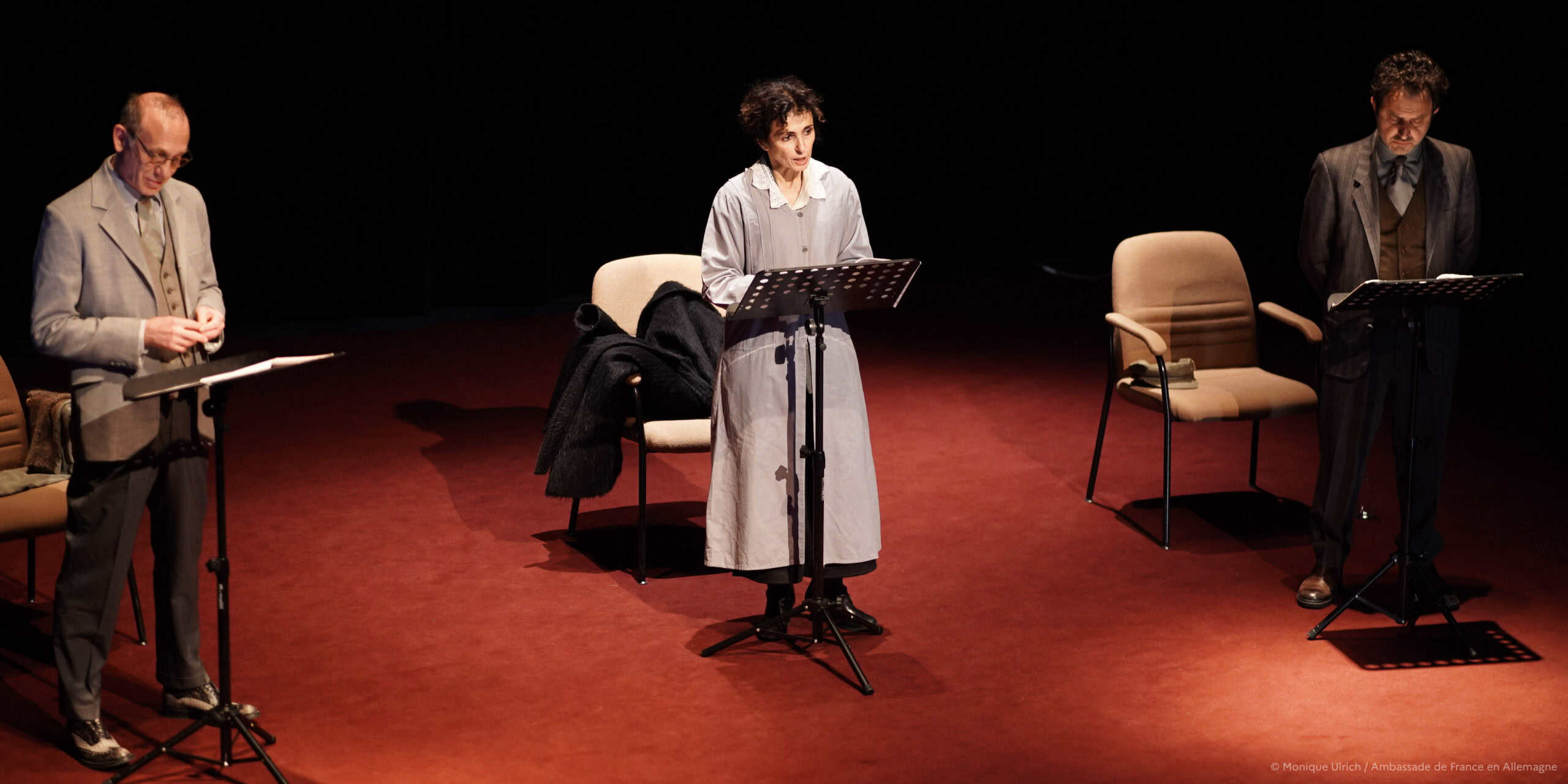
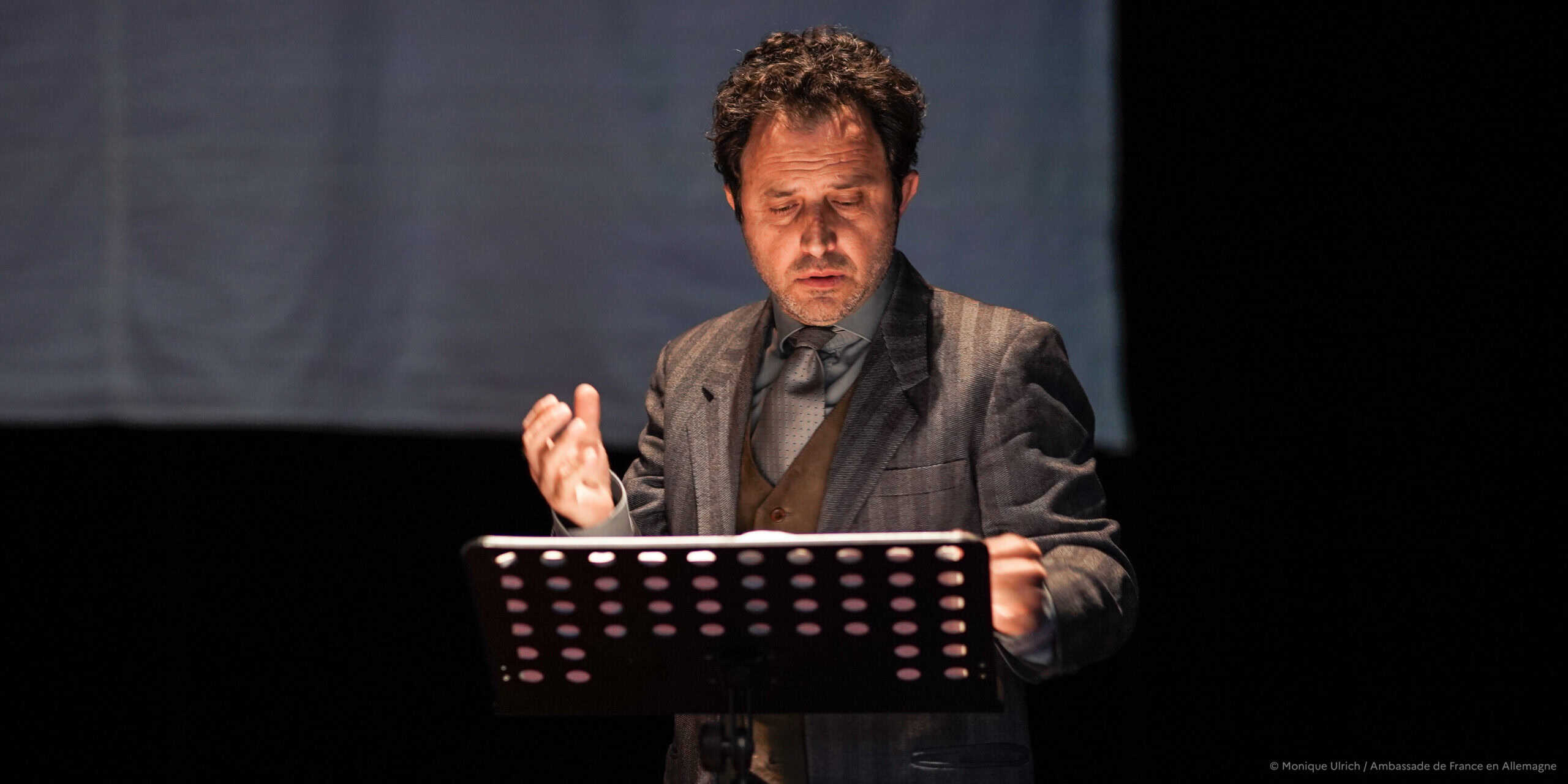
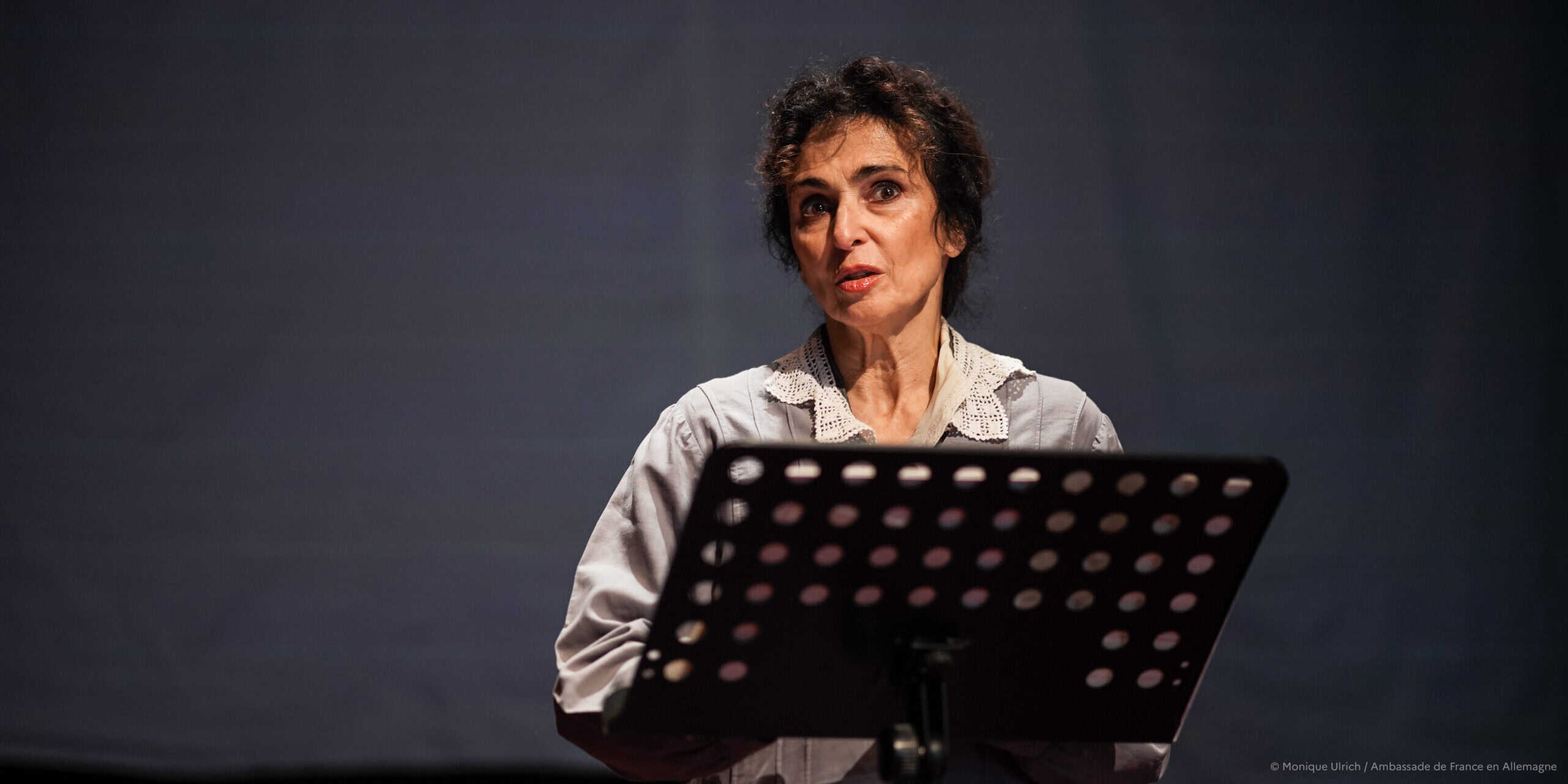
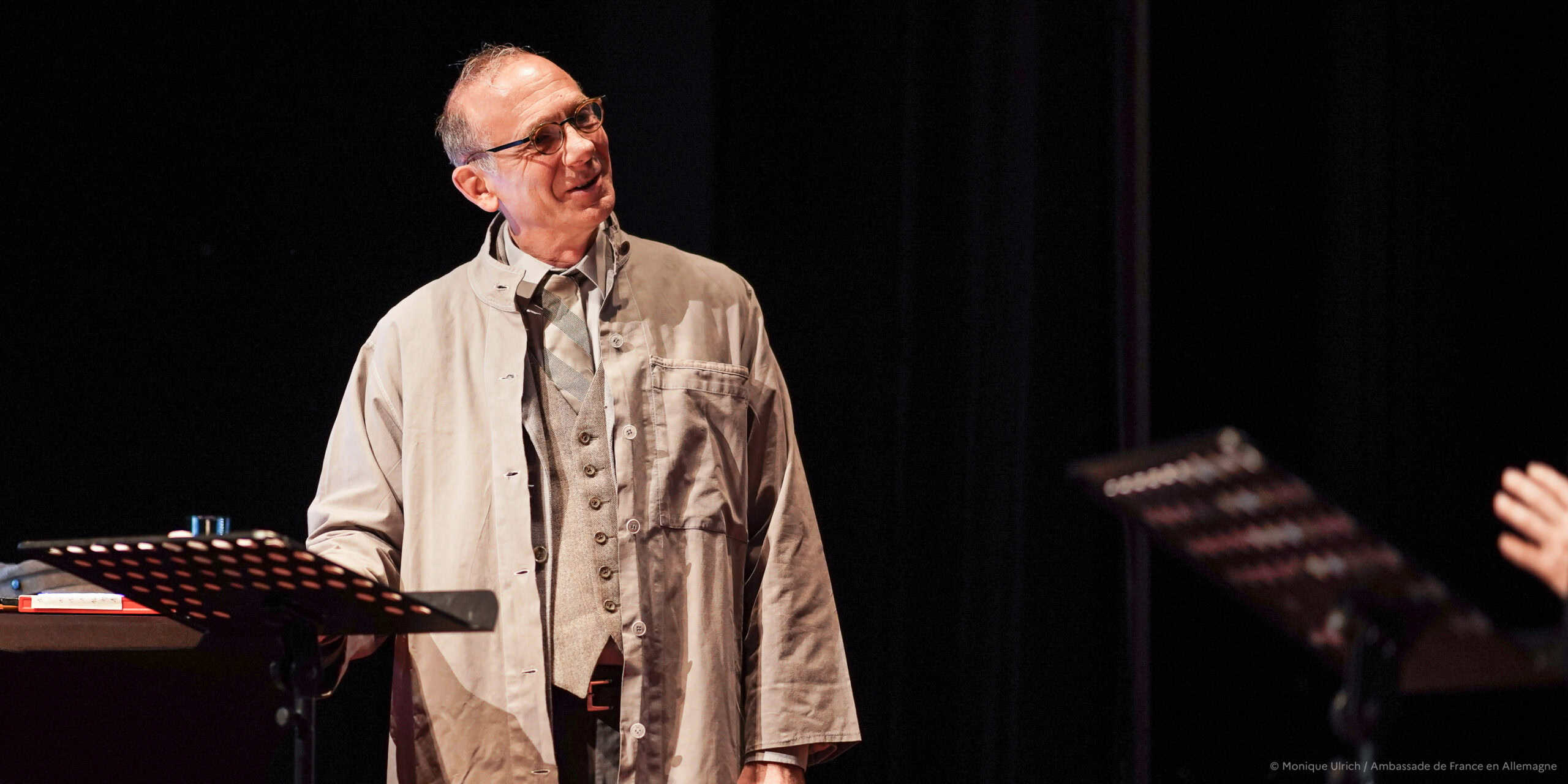
On 10 February, on the eve of the International Day of Women and Girls in Science, the Office for Science and Technology of the French Embassy in Germany hosted a reading of the play Exil Intérieur, written by Elisabeth Bouchaud, produced by La Reine Blanche theater company, performed by Elisabeth Bouchaud (Lise Meitner), Benoît Di Marco (Otto Hanhn) and Imer Kutlovci (Otto Frisch).
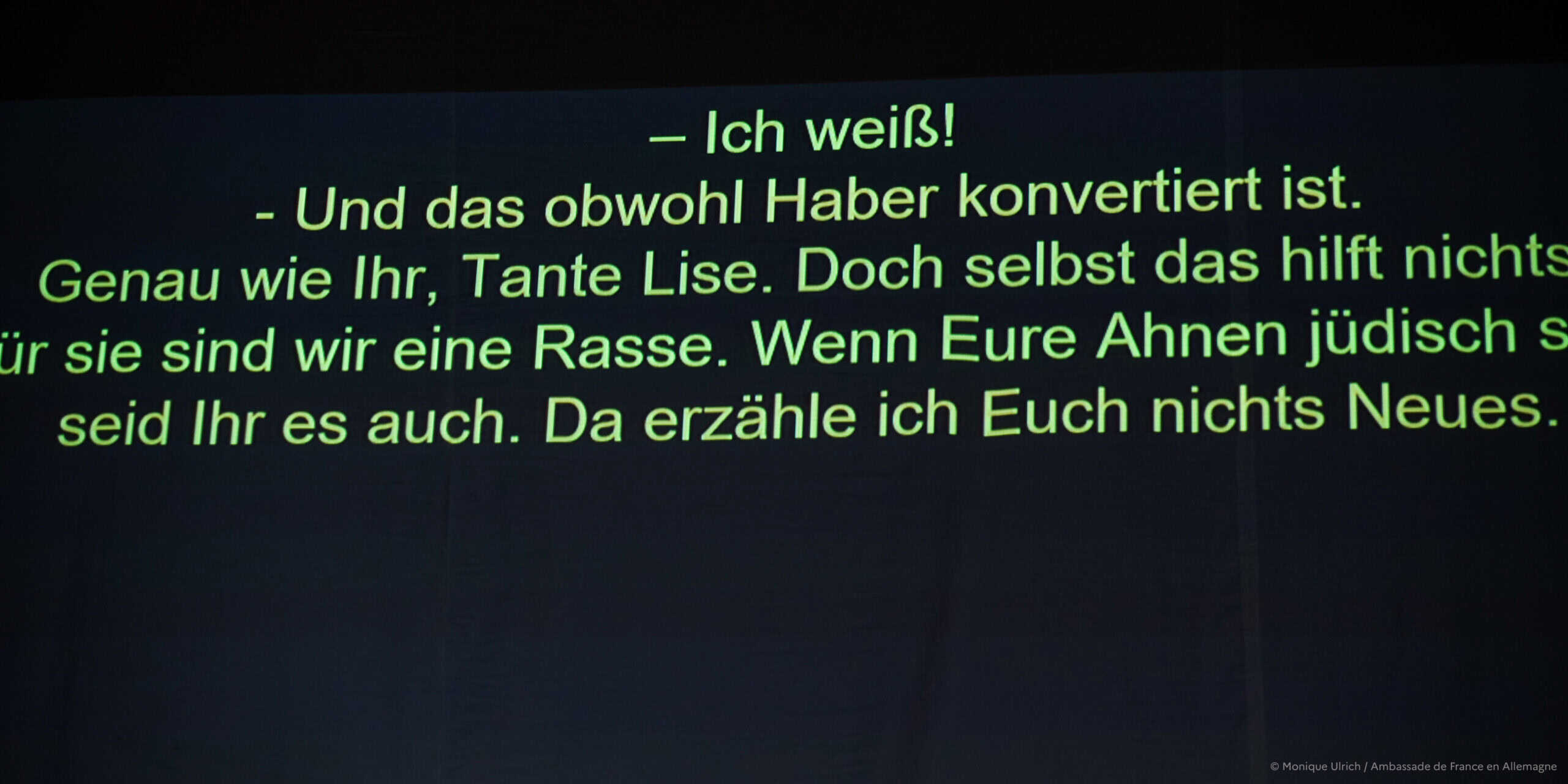
The play retraces the life of Lise Meitner, an Austrian physicist of Jewish origin who collaborated for many years in Berlin with the German chemist Otto Hahn. At the time, women were only gradually gaining access to academic careers: before 1908 in Prussia, women were not allowed to enrol in universities. In 1926, Lise Meitner became the first woman appointed “full professor” of physics in Germany. With the rise of the Nazi regime and especially after the “Anschluss” (annexation of Austria), her situation became increasingly precarious, forcing her to flee Germany in 1938 under dramatic circumstances. In exile in Sweden and together with her nephew, Otto Robert Frisch, she later understood and explained the mechanism of nuclear fission. Nevertheless, the Nobel Prize in Chemistry in 1944 was awarded solely to Otto Hahn. Despite being nominated 48 times, Lise Meitner never received the prize, making her case a well-known illustration of the “Matilda Effect”, which refers to the systematic underrecognition of women’s scientific contributions. The reading was performed by the Théâtre La Reine Blanche company, with Élisabeth Bouchaud as Lise Meitner, Benoît Di Marco as Otto Hahn and Imer Kutlovci as Otto Frisch.
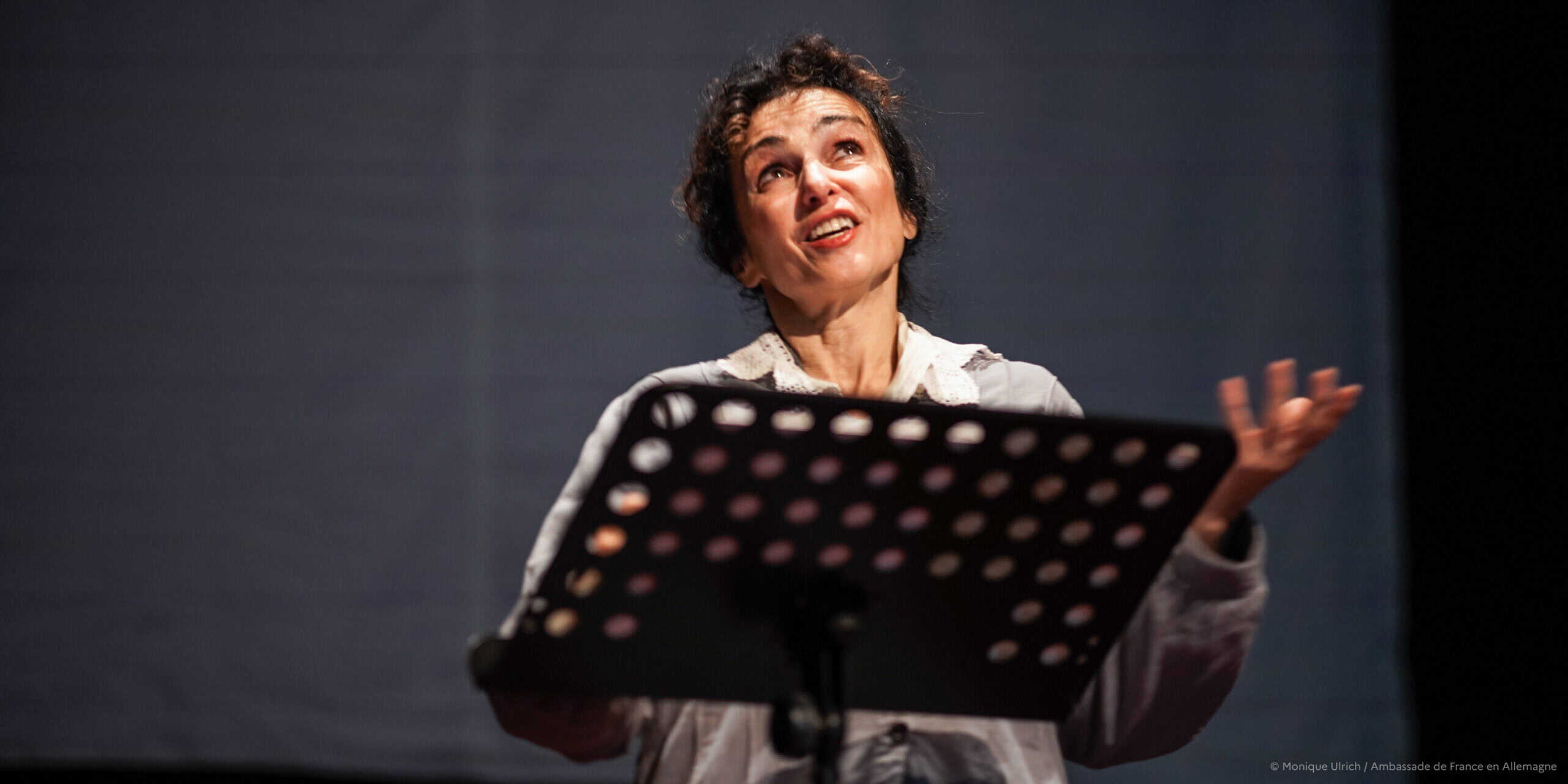
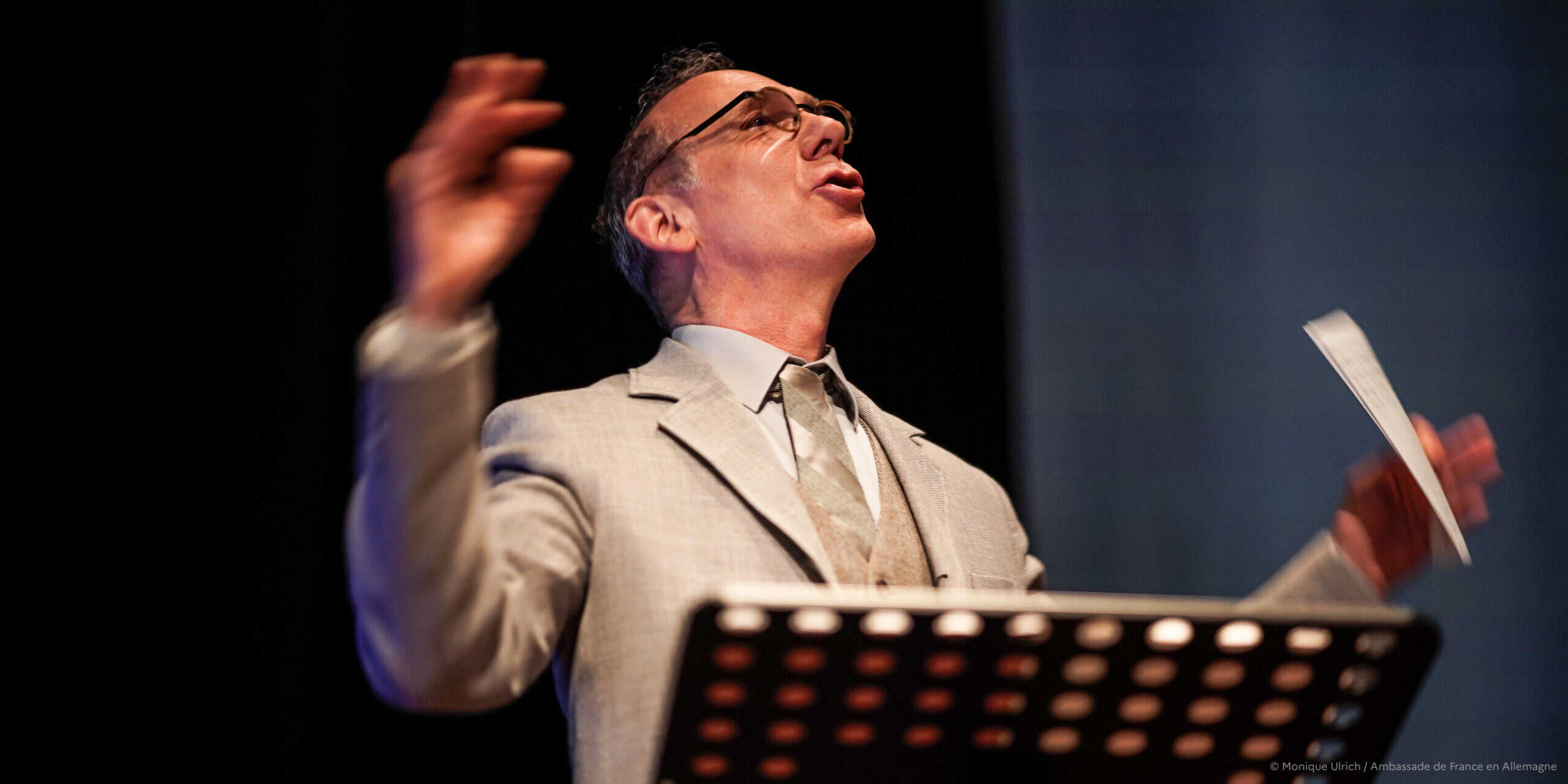
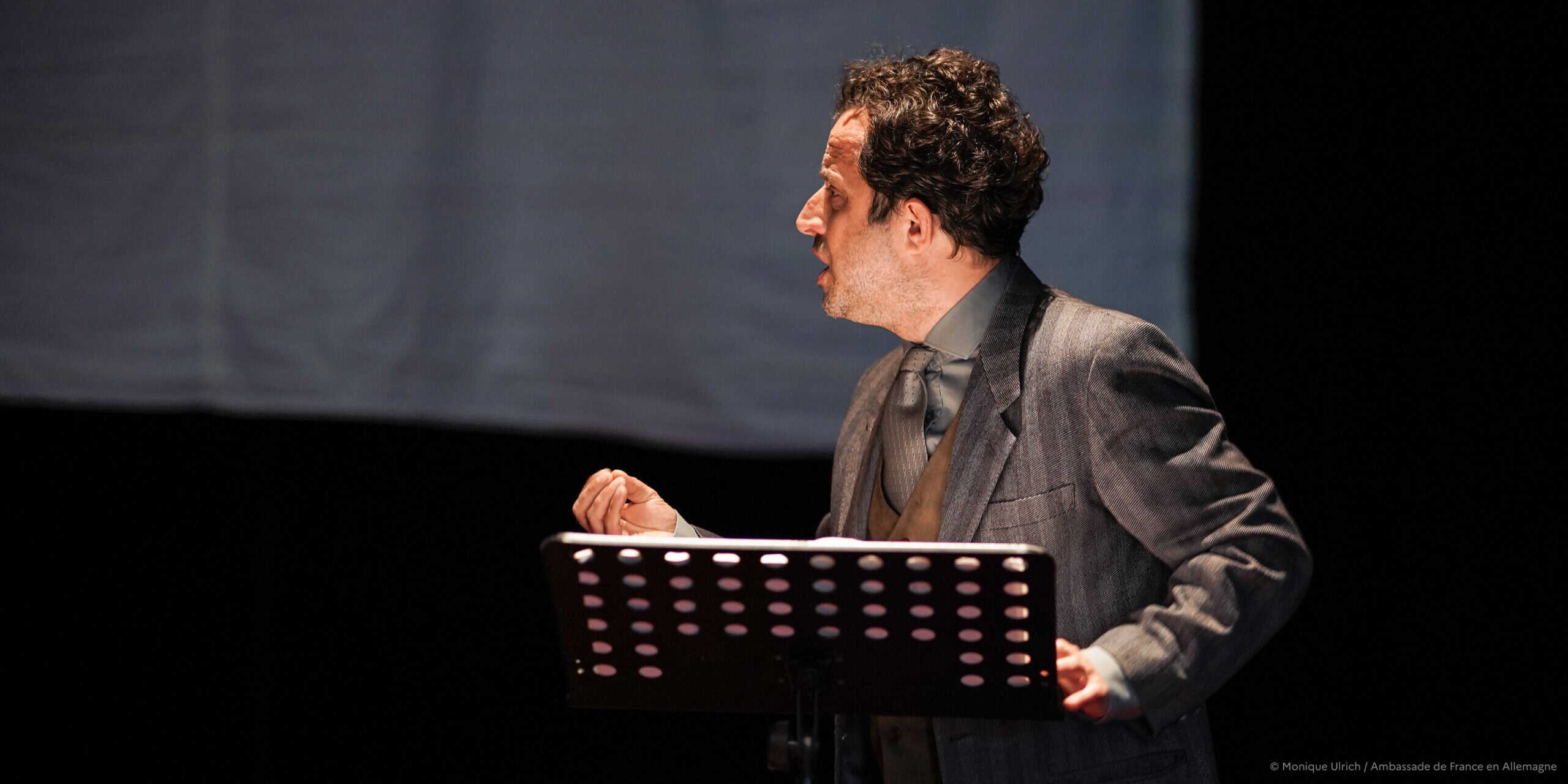
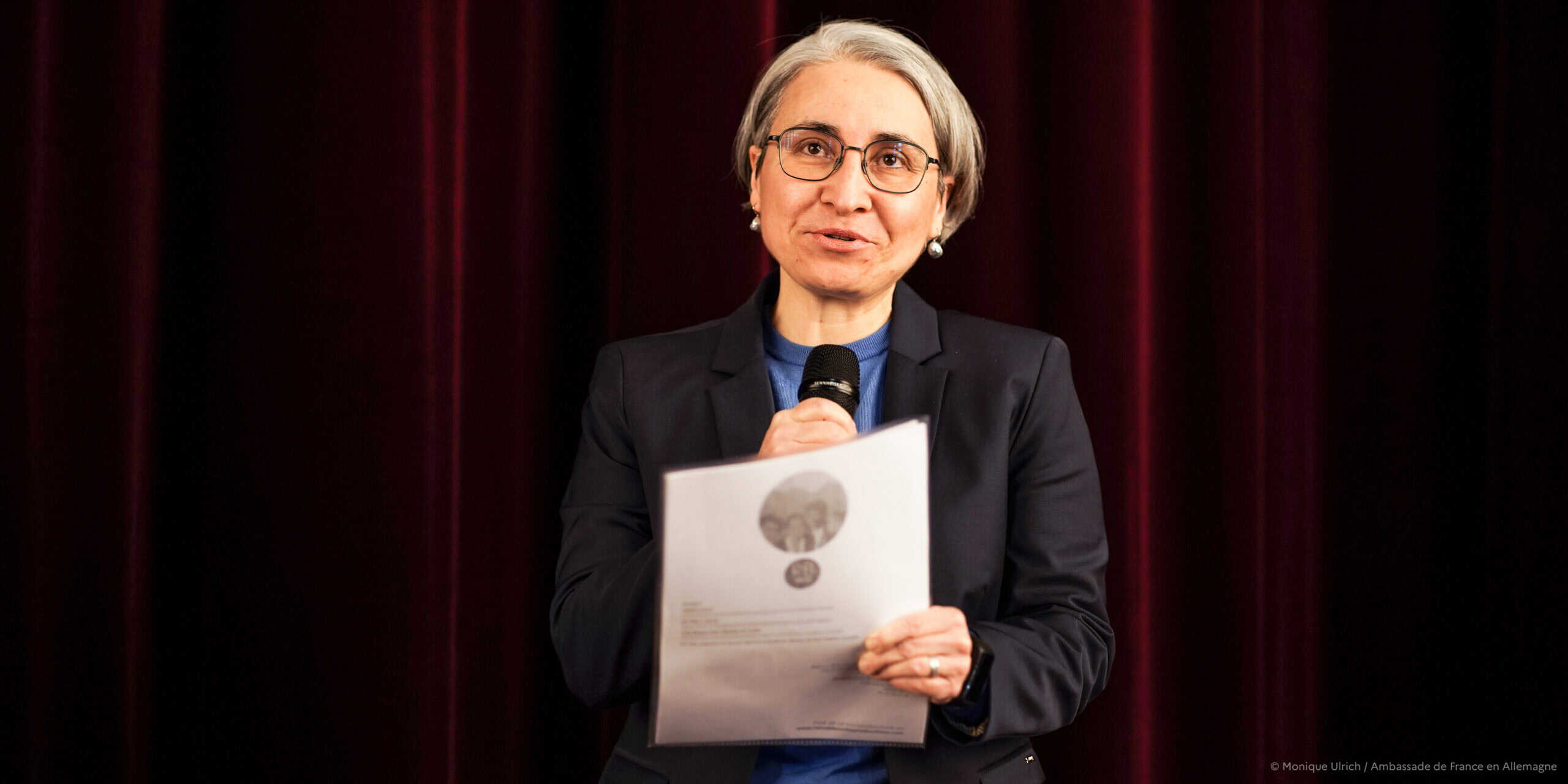
The evening opened with remarks by Professor Dr. Çiğdem İşsever of Humboldt-Universität zu Berlin. She recalled that Lise Meitner worked and taught at the University of Berlin—now Humboldt University—and emphasized that her contributions continue to be overlooked today. She cited, for instance, the film Oppenheimer, which highlights male scientists involved in nuclear fission while failing to mention her work. As Professor İşsever noted, “This omission is not just disappointing; it is unjust and ingrained in our cultures”.
The reading was performed in French with German surtitles. The surtitles were prepared by the Embassy’s translation team: Robert Balcke, Philippe Barbier, Hannah Hahn, Gilles Kirschke-Dréan and Jana Ulbricht.
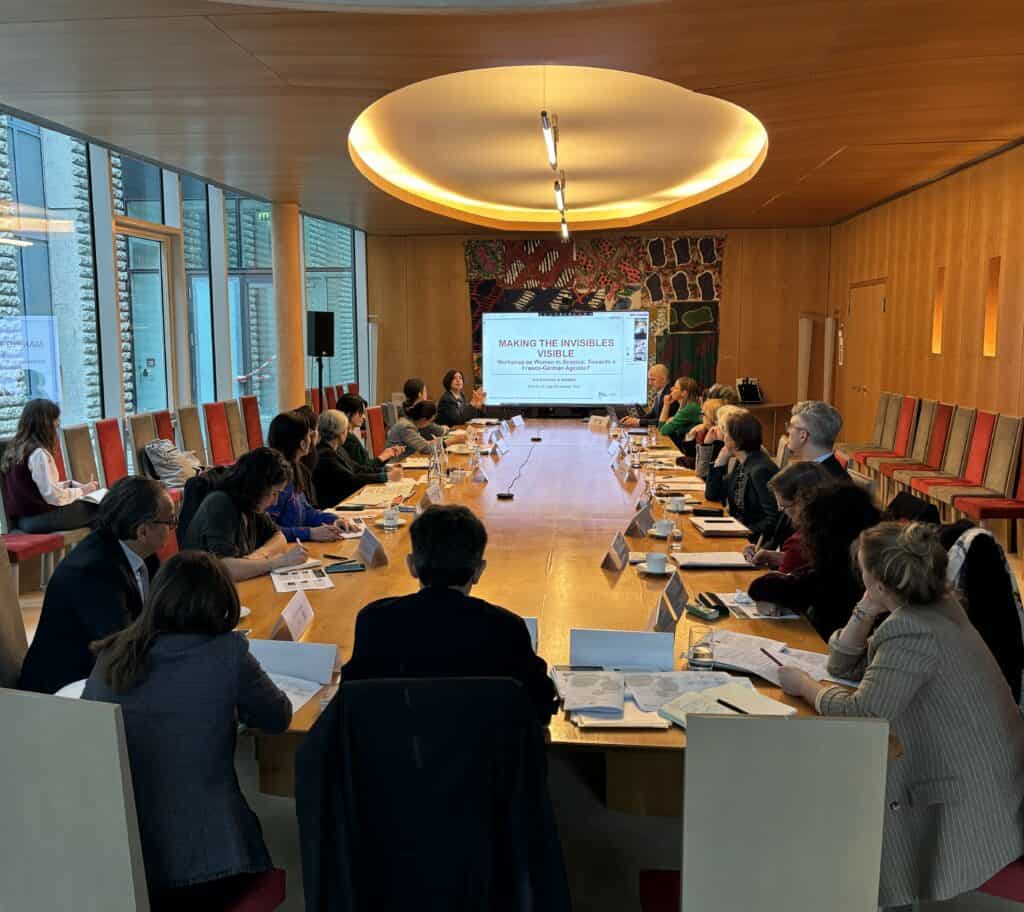
Workshop “Women in Science: Towards a French-German Agenda": to place the Girls, Women and Science issues on the agenda of Franco-German cooperation in science and technology
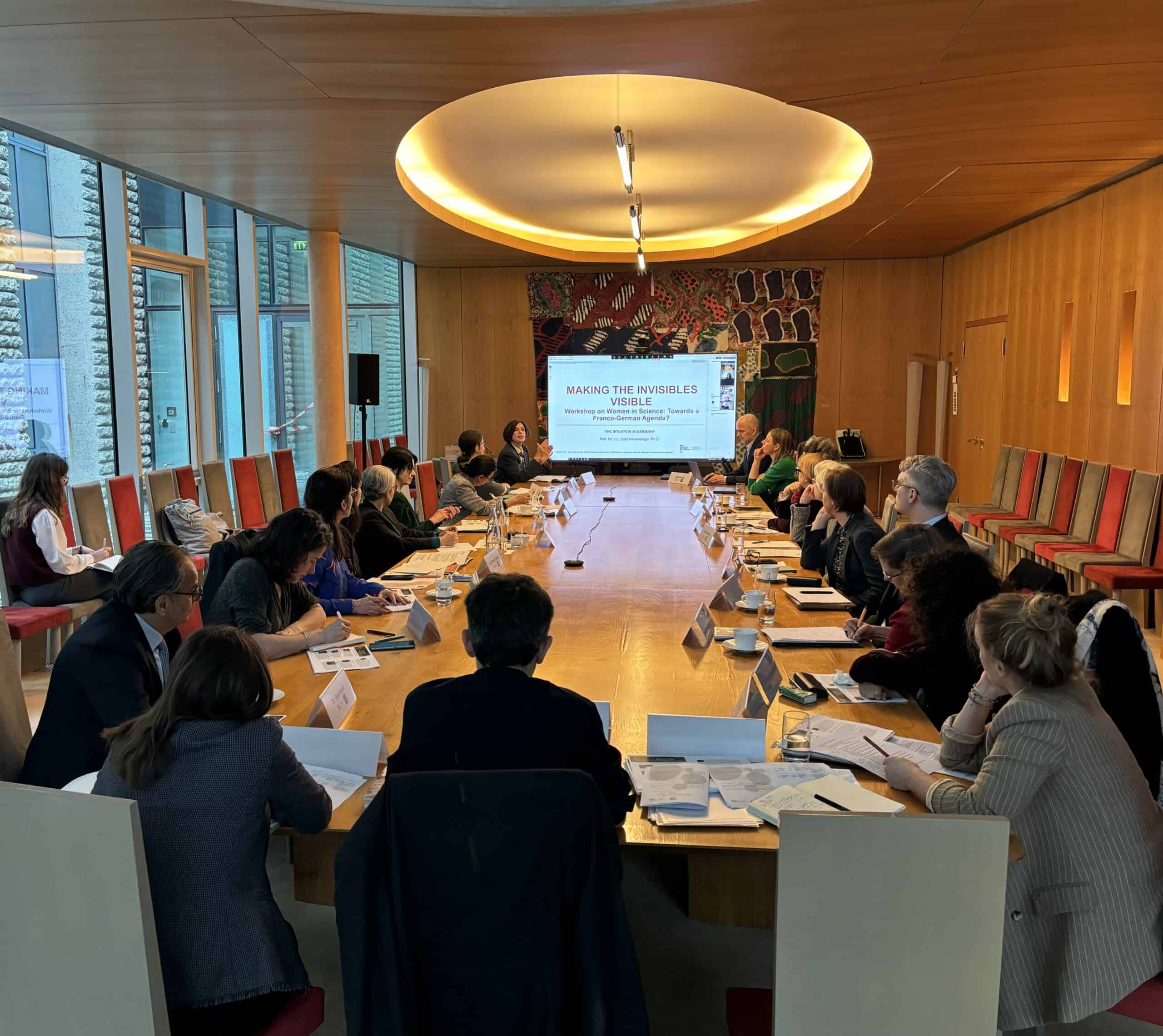
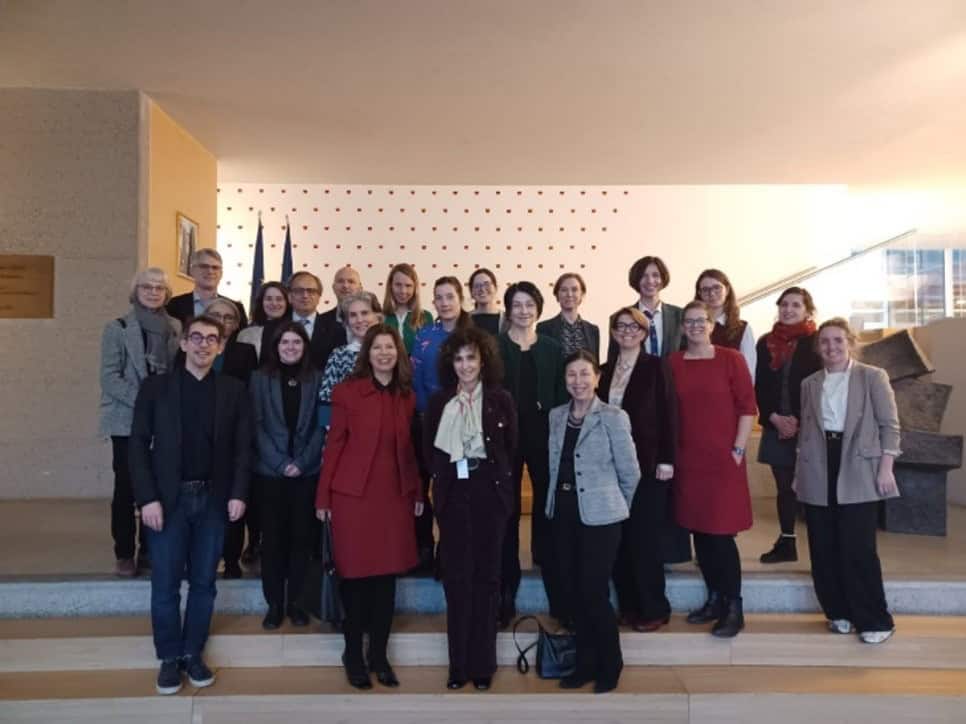
The workshop organized on “Women in Science: Towards a French-German Agenda? aimed to foster dialogue among experts from diverse backgrounds and institutions on the situation of women in science and to explore possible avenues for action within the Franco-German context. The objective was to contribute to integrating the issue of girls and women in science into the priorities of the bilateral agenda and to identify concrete initiatives that could be implemented in France and/or Germany.
Atelier “Femmes et science : vers une coopération franco-allemande ?”, 11 février 2026, Ambassade de France à Berlin
The discussions opened with a series of short presentations providing key figures, mechanisms and programmes shaping the current landscape. An overview of the situation of women in science in France, Germany and at the European level was presented respectively by sociologist Dr. Clémence Perronnet, sociologist Prof. Dr. Jutta Allmendinger, and policy officers from the European Commission, Oriane Gilloz and Martina Cannone.
Existing policies were then discussed from both national perspectives. Dr. Effrosyni Chelioti, from the German Federal Ministry of Education and Research, presented the main instruments currently implemented in Germany, while Dr. Carole Chouraqui-Modigliani, from the French Ministry of Higher Education, Research and Space, outlined the French policy framework.
These contributions opened a broader discussion on several key issues: women’s career paths in research, the importance of integrating sex and gender considerations into research questions, methods and results, and the broader living and working conditions of women in scientific professions. The exchanges also sought to identify priority questions for the Franco-German context and possible areas for future cooperation.
“Girls, Women and Science: Making the Invisible Visible”: an high level conference that raised a lot of questions for our cooperation
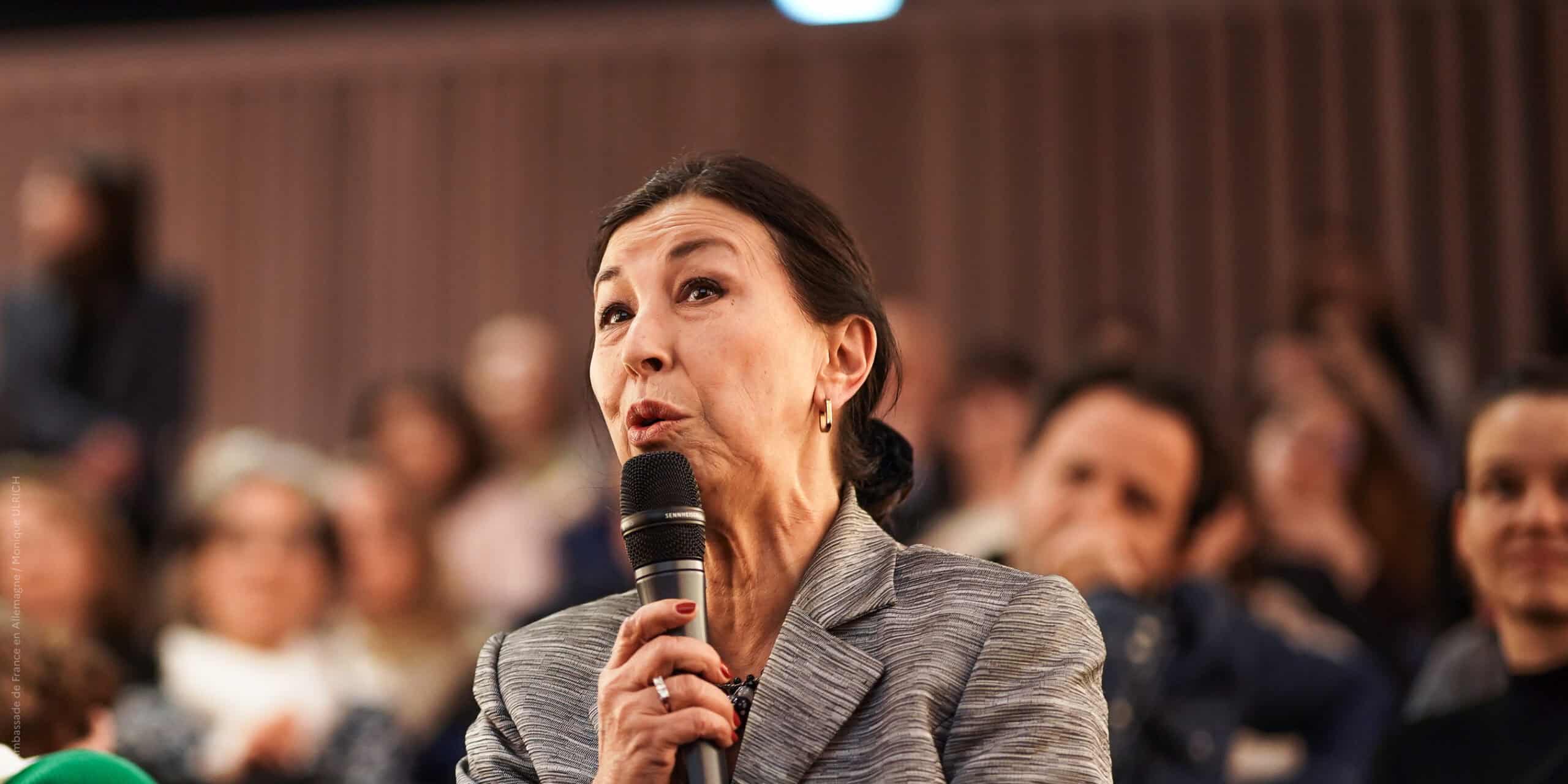
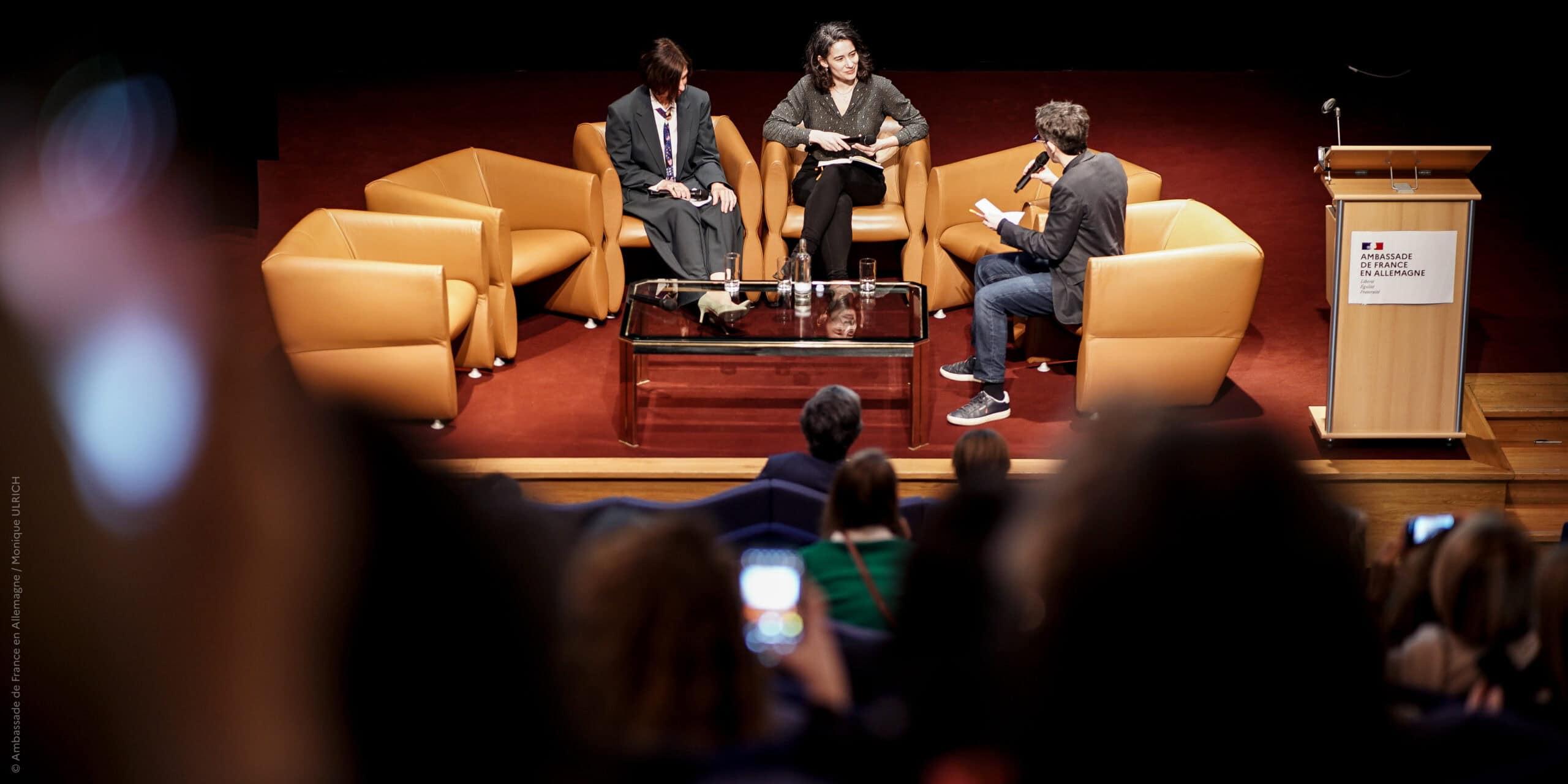
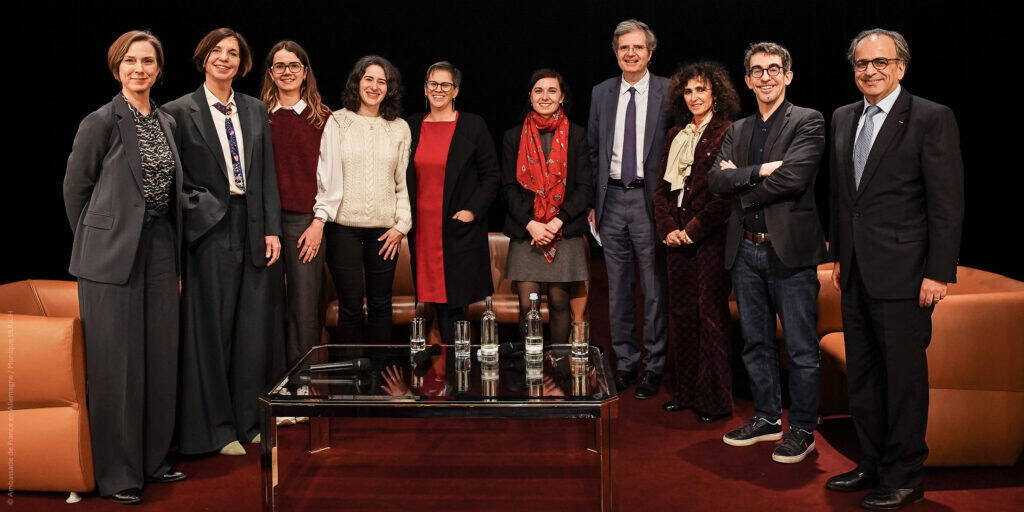
On Wednesday evening, the Office for Science and Technology of the French Embassy in Germany hosted the French-German dialogue “Girls, Women and Science: Making the Invisible Visible.”, a series of dialogues between French and German representatives of the field.
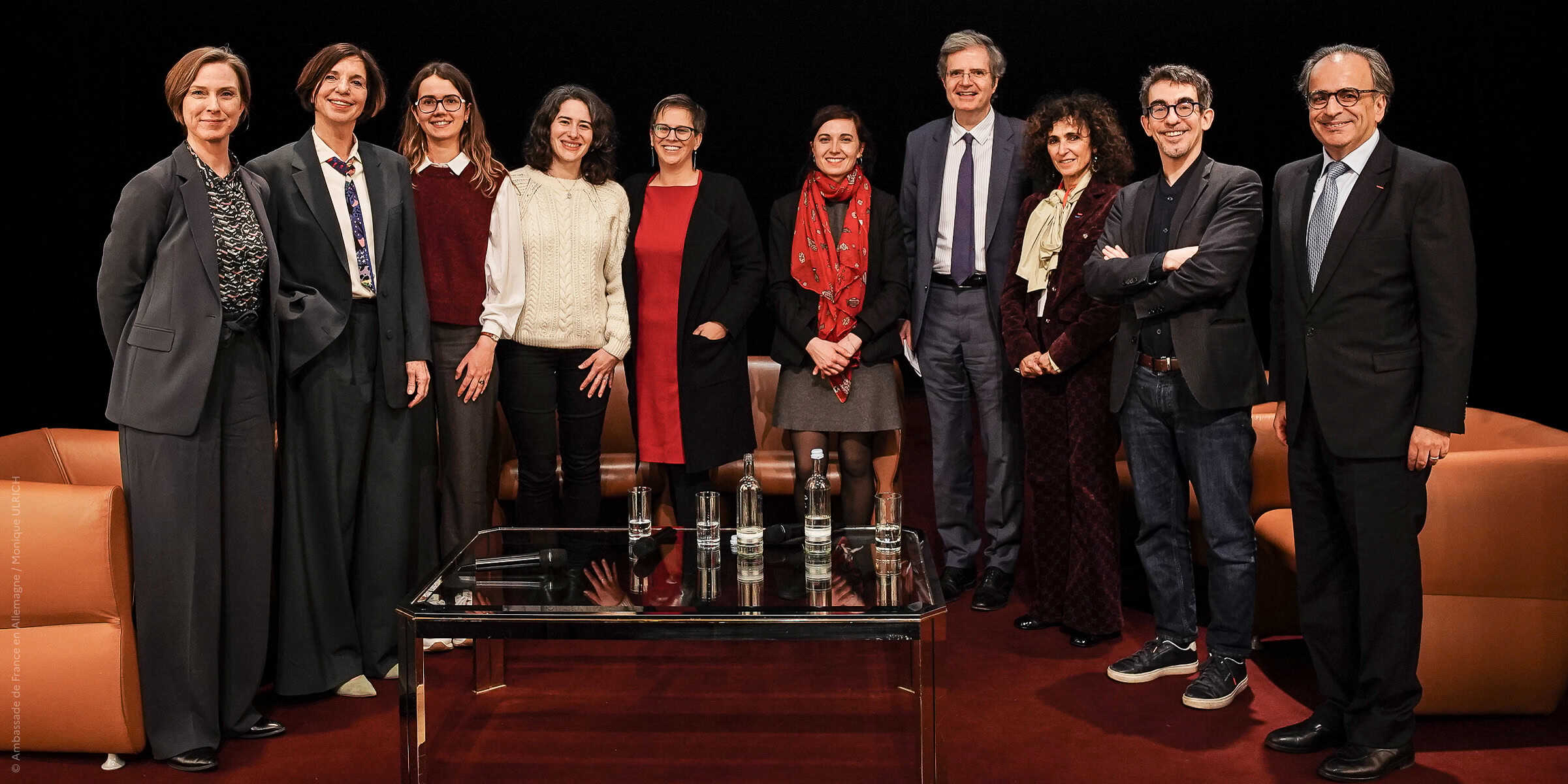
The event brought together experts from France and Germany to examine the consequences of the invisibilization of women in science, both within scientific communities and within research practices themselves, where gender and sex-related factors are still too often overlooked.
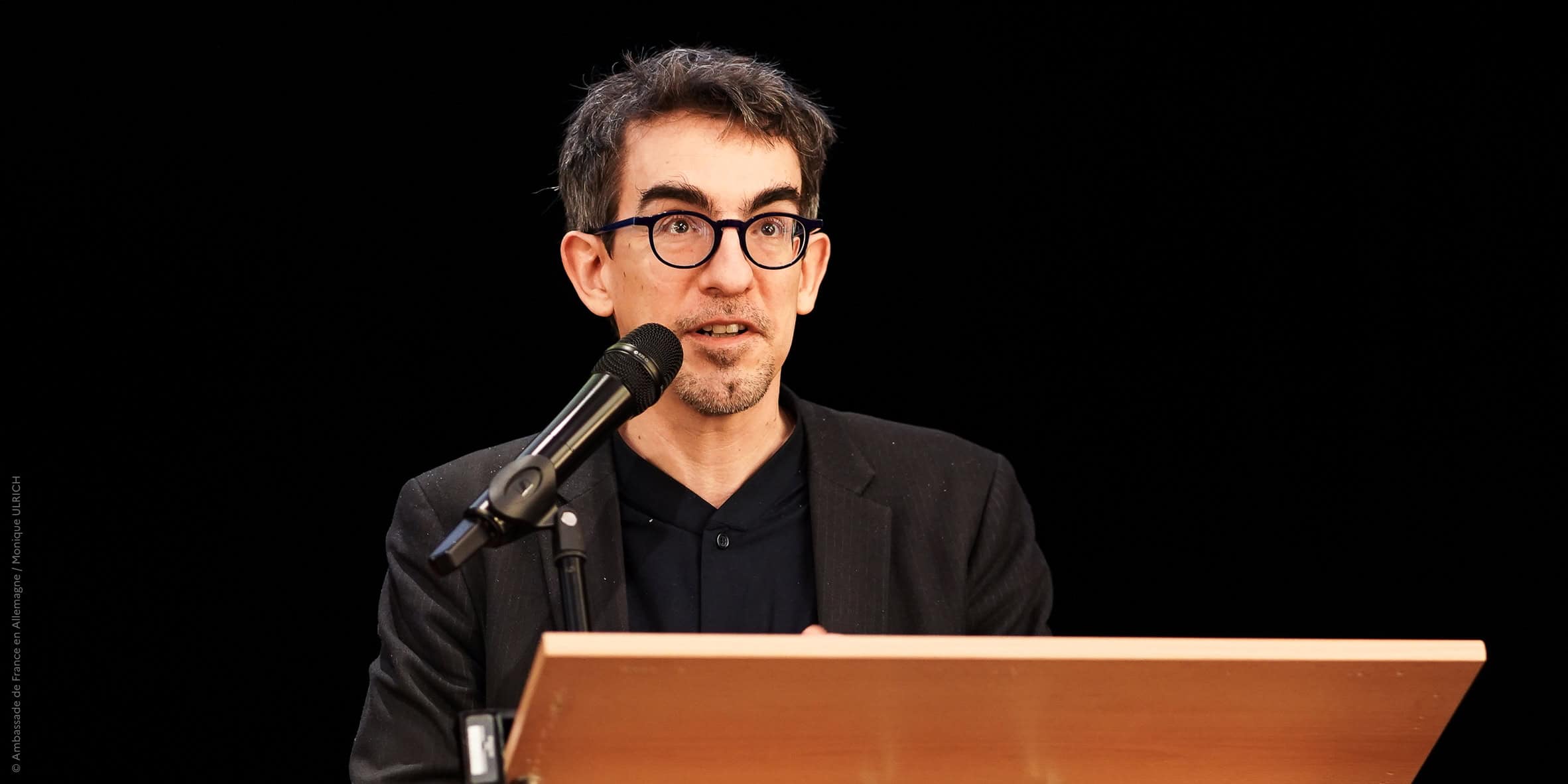
The Ambassador of France to Germany, François Delattre, opened the discussion by emphasizing that making women in science visible is both a scientific and strategic imperative for France, Germany and Europe. Gender equality in research and innovation, he stressed, is not only a matter of values but also produces measurable and concrete effects for scientific progress and societal development.
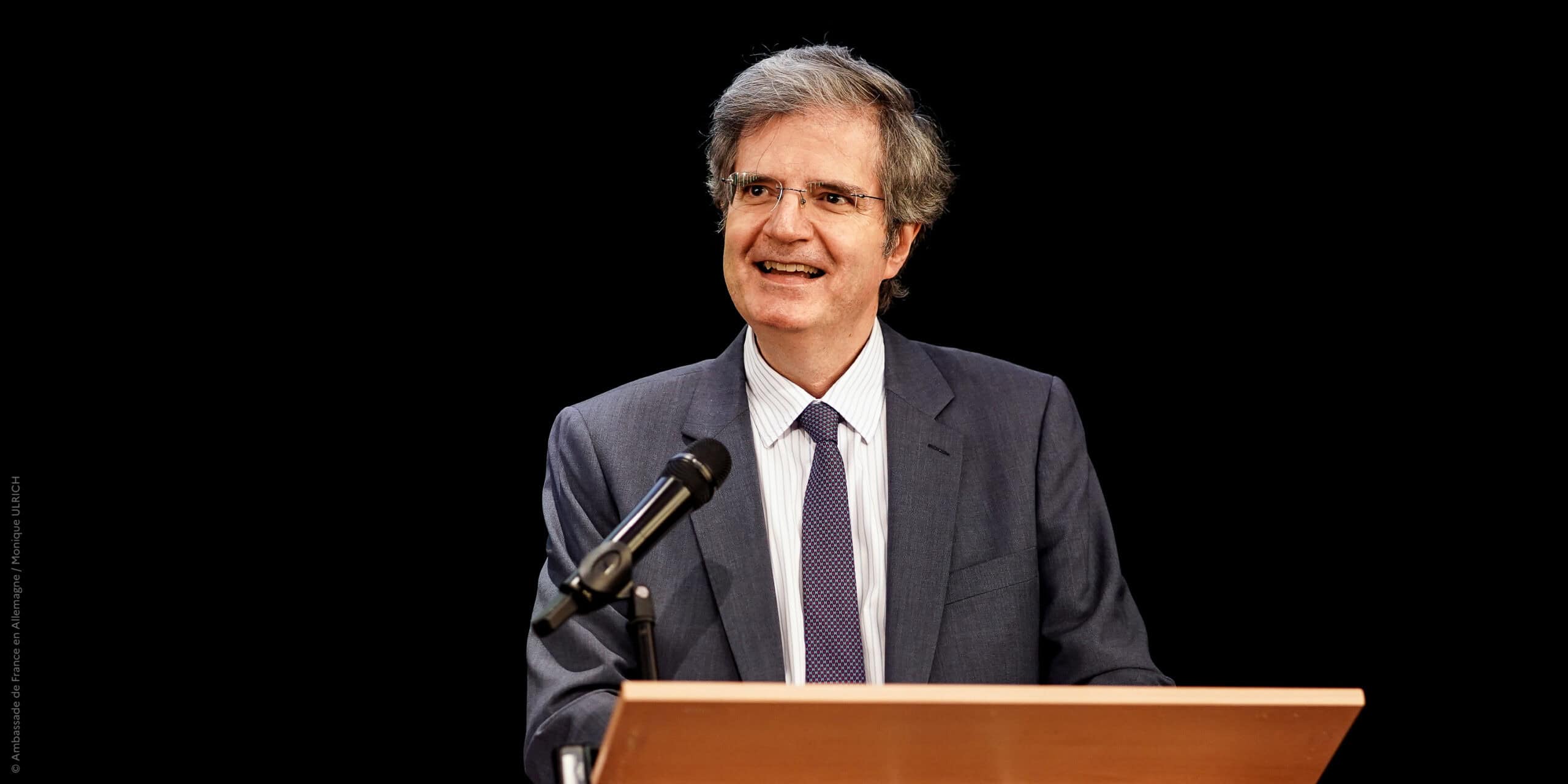
Prof. Dr. Fatma Deniz, Vice-President and President-Elect of the Technische Universität Berlin, delivered the keynote address. She invited the audience to question established assumptions and to engage openly with issues that are sometimes uncomfortable but necessary to address.
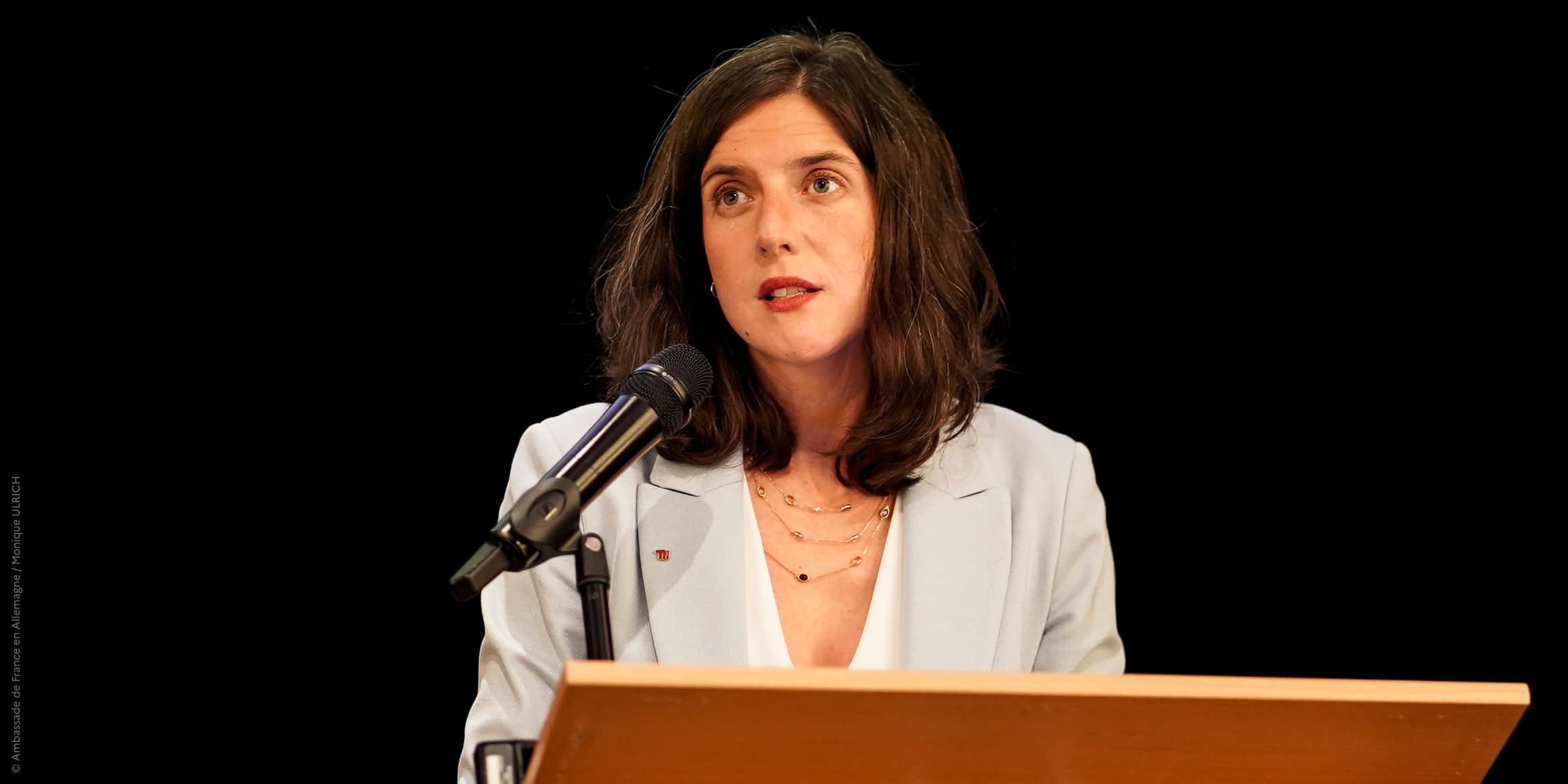
Dr. Clémence Perronnet and Prof. Dr. Jutta Allmendinger then provided a sociological perspective on the current situation of women in science in France and Germany. Their interventions highlighted structural differences between the two countries, such as the limited childcare infrastructure in Germany and the greater reluctance in France to introduce quota-based mechanisms.
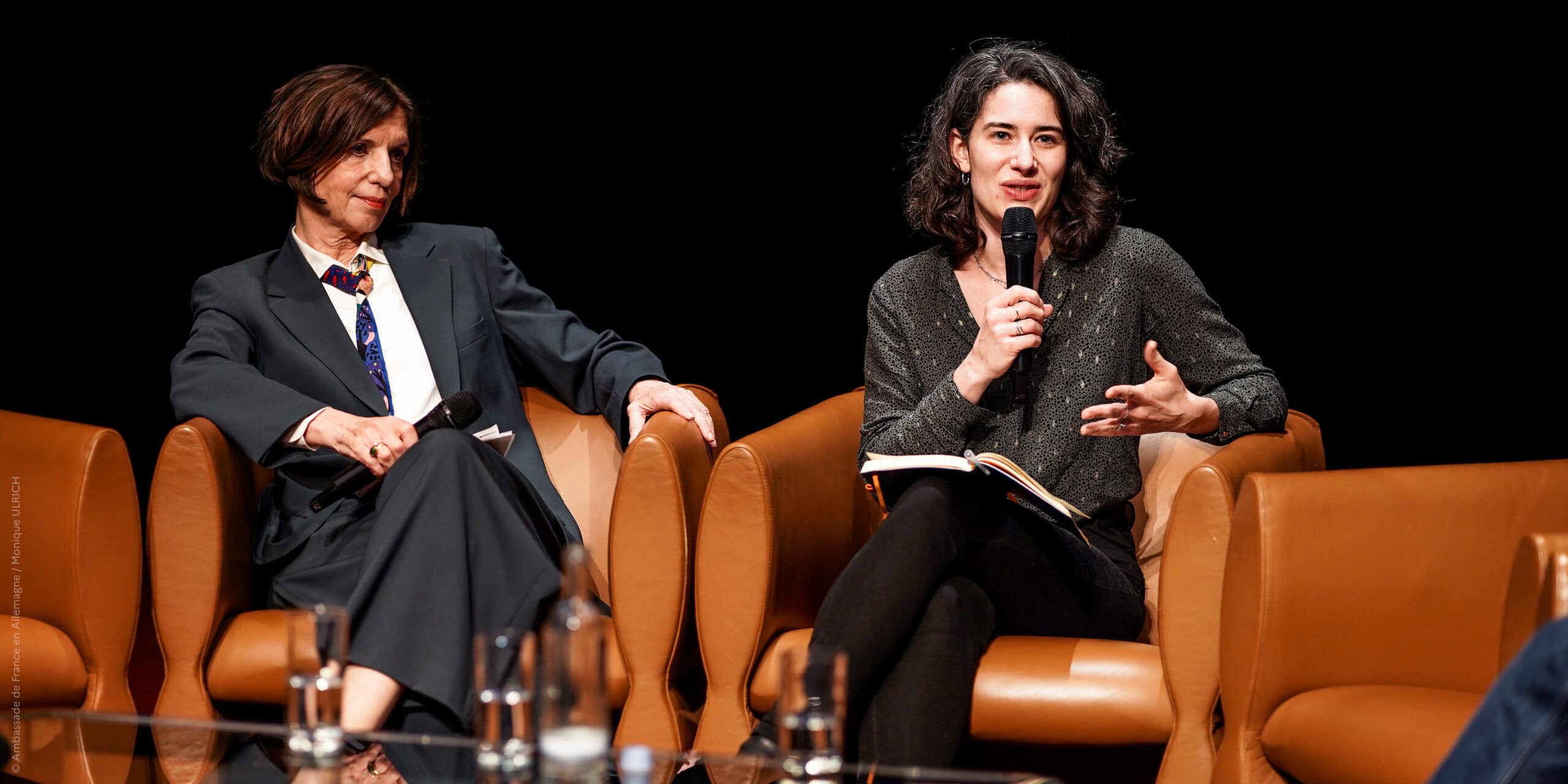
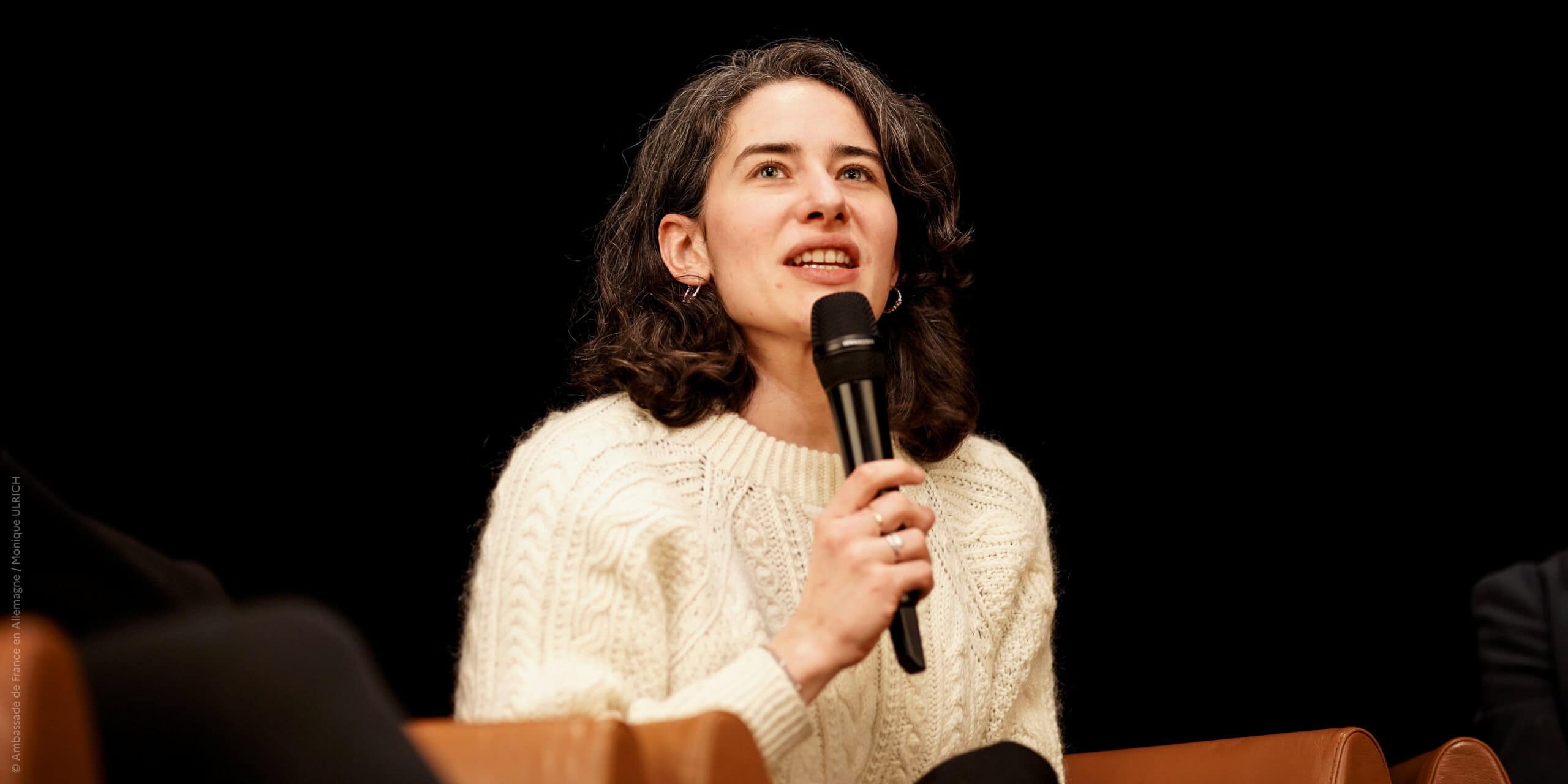
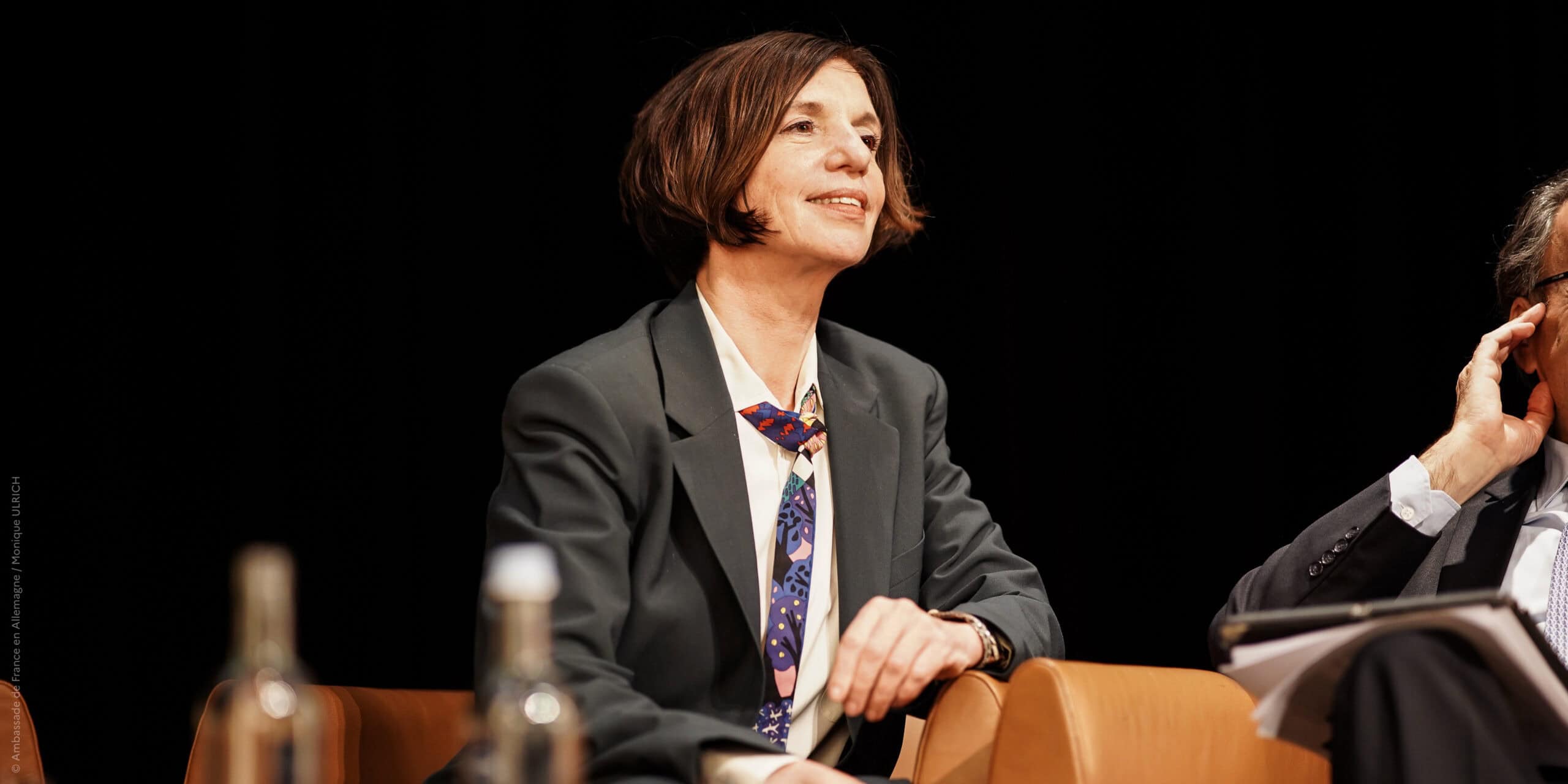
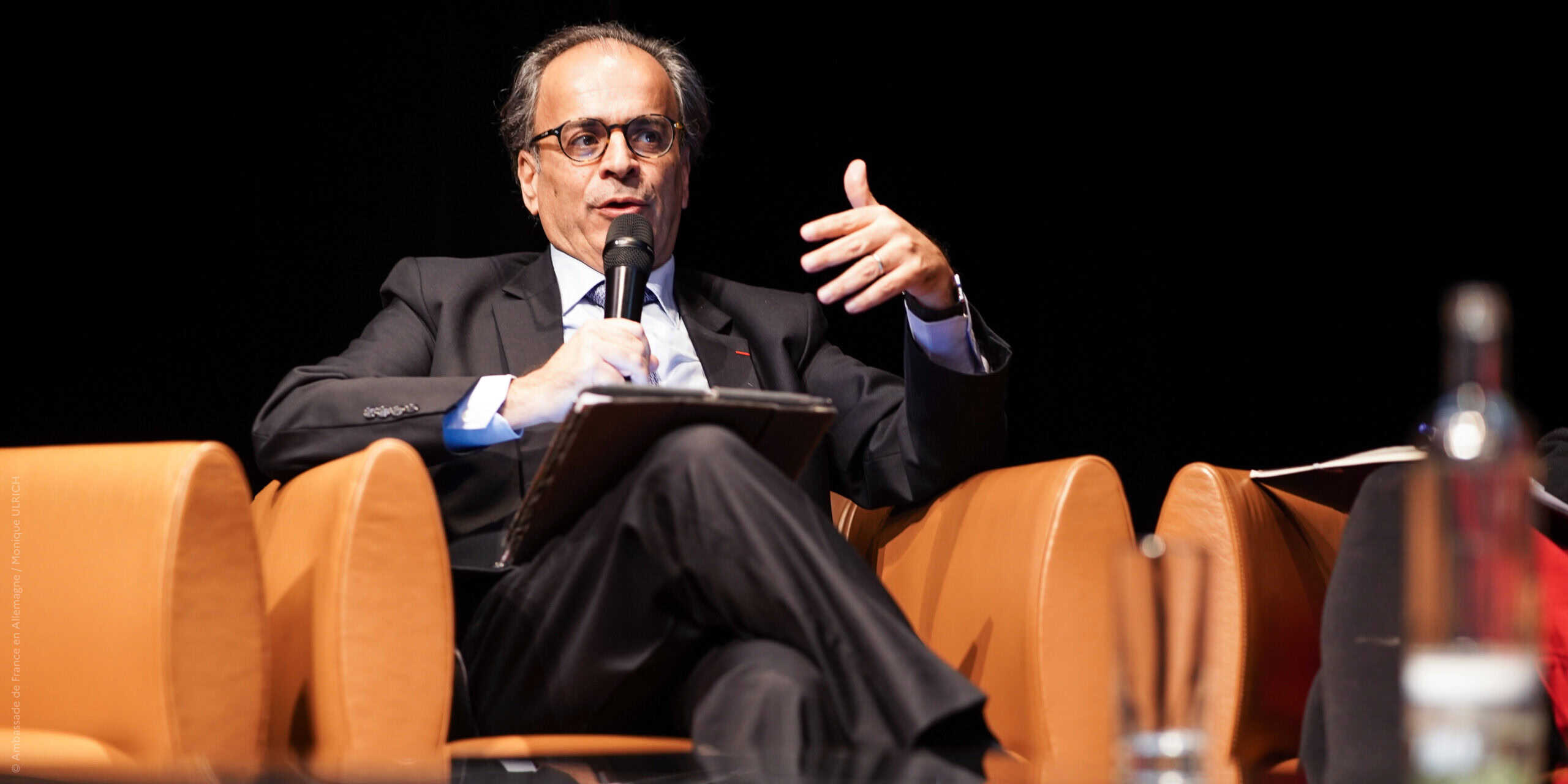
The discussion then examined the risks and consequences of women’s invisibility in certain scientific fields. Drawing on the insights of Prof. Dr. Julia Sacher and Prof. Dr. Elyès Jouini, the speakers highlighted how the underrepresentation of women as researchers and research subjects can have tangible consequences for health and society. In the field of dementia, for example, although two-thirds of patients are women, many treatments have not demonstrated greater effectiveness for them than a placebo.
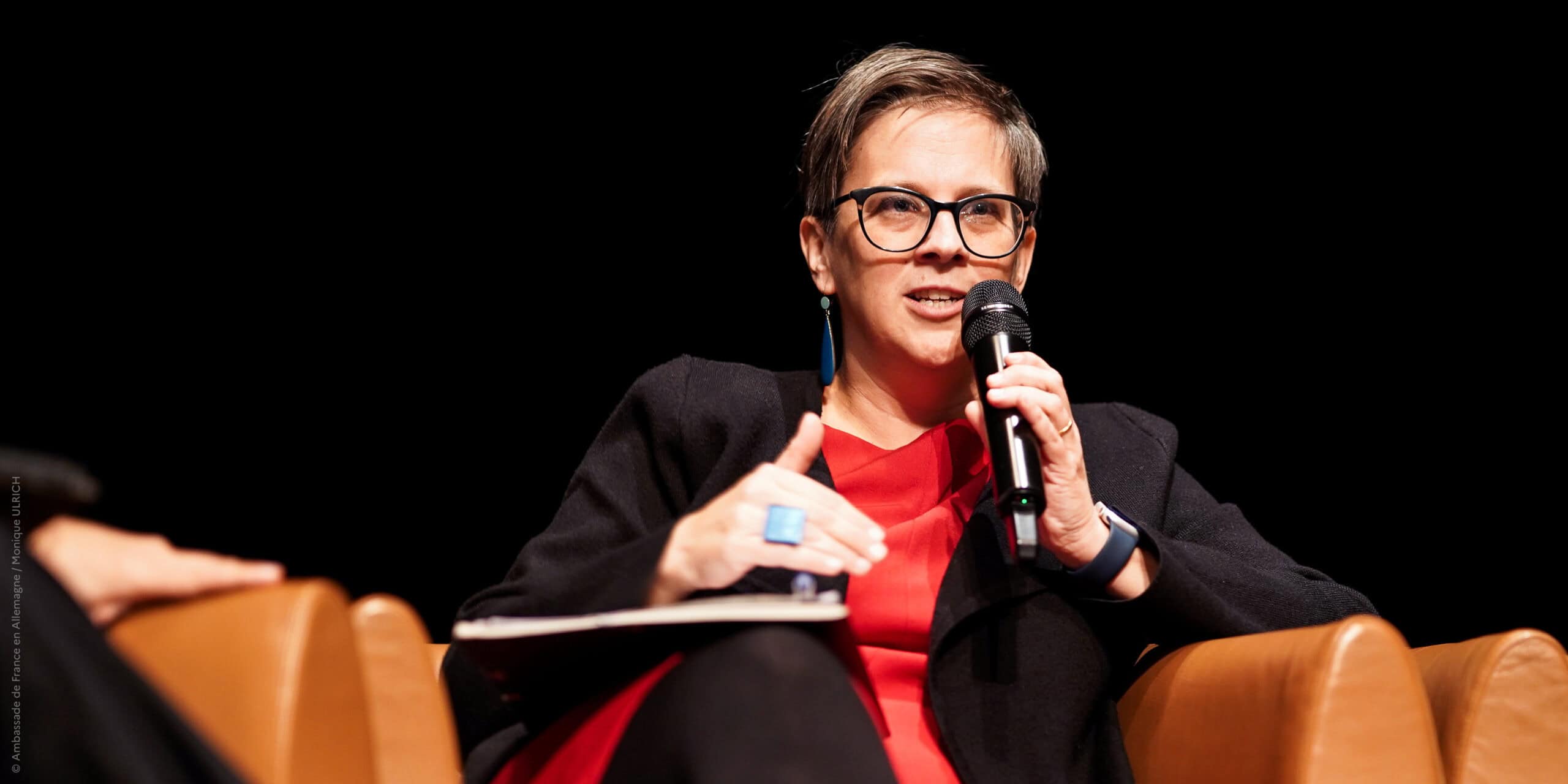
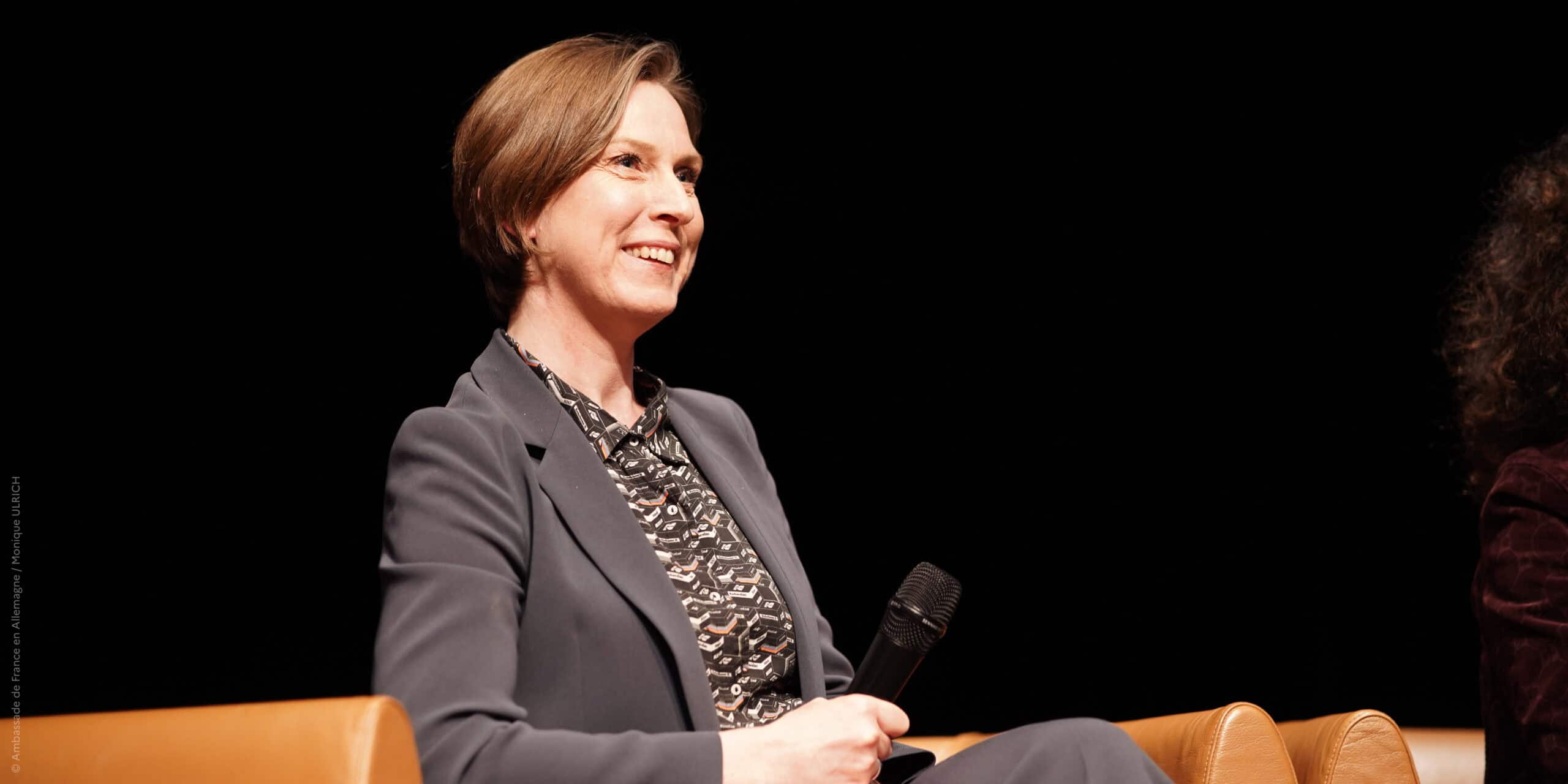
Finally, the dialogue highlighted the role of artistic practices in restoring visibility to women scientists. Prof. Dr. Élisabeth Bouchaud and Gesine Born shared examples of initiatives that bring forgotten scientific figures back into public awareness. Through AI-generated portraits, Gesine Born gives a face to women scientists who have long remained invisible, while Élisabeth Bouchaud brings their stories to the stage. Beyond recognition, these initiatives contribute to broadening the audience for scientific history and encouraging reflection on the mechanisms of visibility and memory in science.
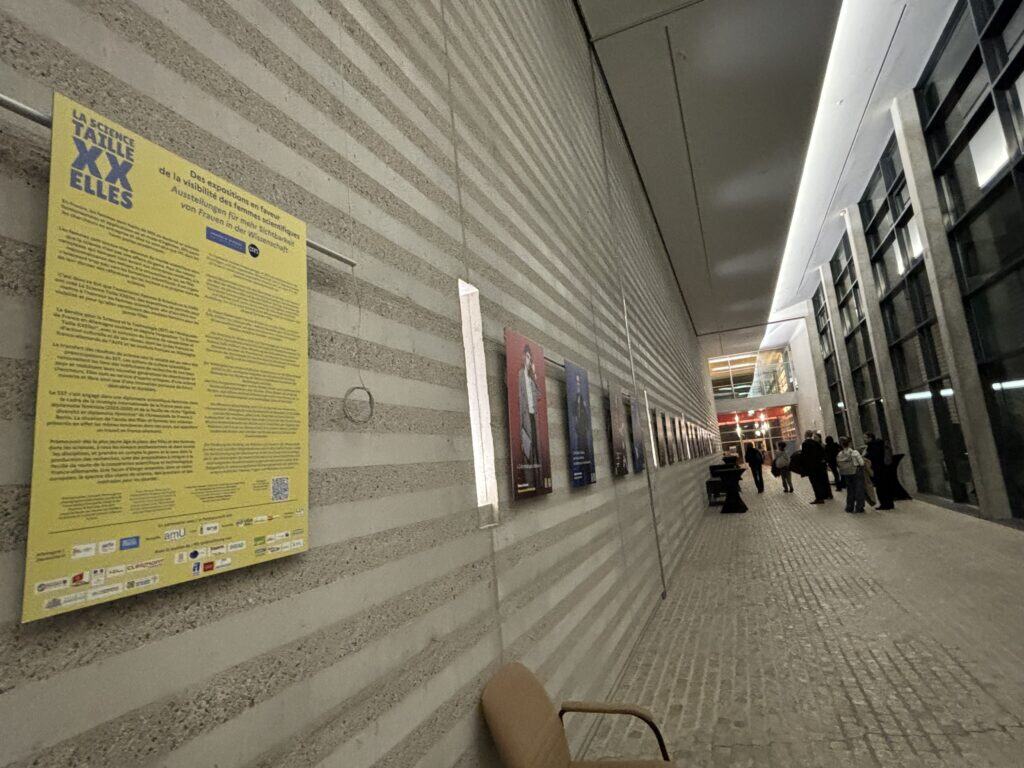
Exhibition La Science Taille XX Elles: promote women in science-related fields (CNRS and Femmes & Sciences Association)
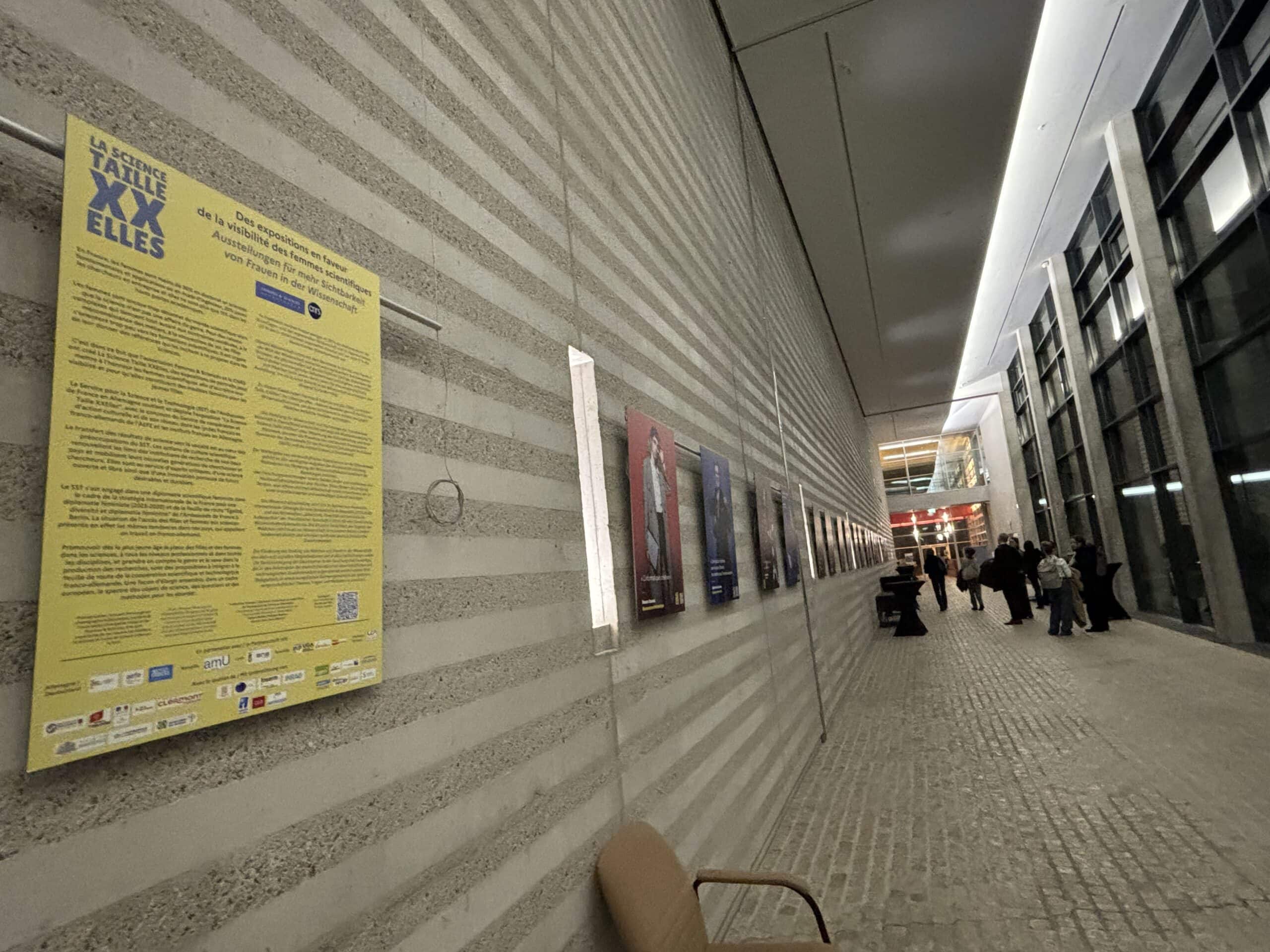
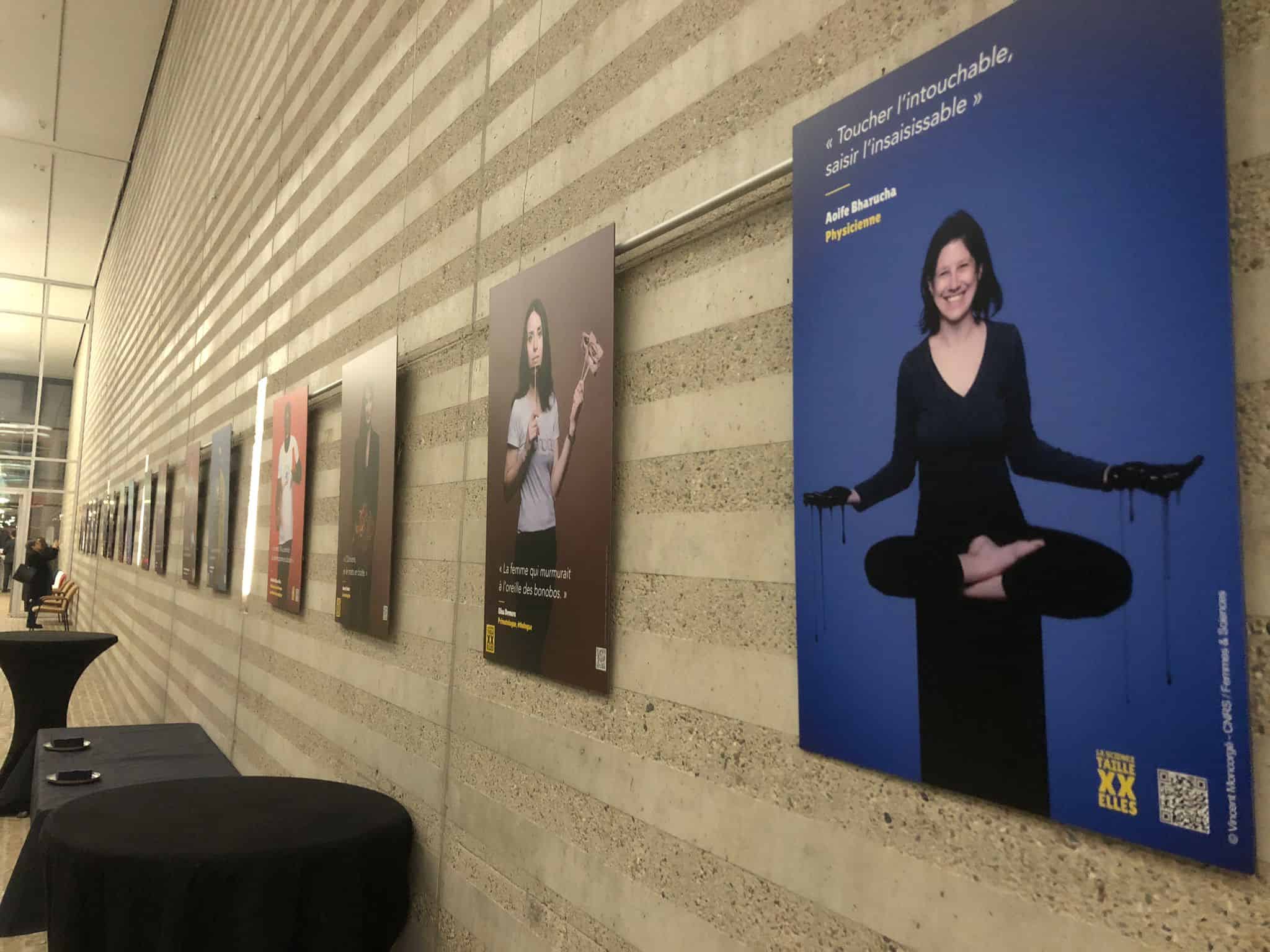
The French Embassy in Germany also hosted the exhibition La Science Taille XXelles, an initiative designed to increase the visibility of women in science-related fields and to promote female role models in science. The exhibition forms part of a broader effort to address the persistent gender imbalance in scientific careers.
In France, women remain significantly underrepresented in several areas of the scientific landscape. They account for less than 30% of doctoral candidates in fundamental and applied sciences and in engineering schools, around 20% of researchers in the private sector, and only 11% of the most senior academic positions. These figures highlight the structural barriers that continue to limit women’s representation in scientific careers (at all stages).
The exhibition reflects a shared conviction: science is not a matter of gender, yet women remain too often absent from scientific fields. This underrepresentation results from a combination of factors, including societal expectations, limited awareness of scientific careers and persistent issues related to self-confidence. Providing visible role models is therefore essential to encourage young girls to consider scientific pathways.
In this context, the association Femmes & Sciences, in partnership with the CNRS, launched La Science Taille XXelles. The initiative consists of a series of portrait exhibitions highlighting women scientists in order to make their work more visible and to inspire younger generations to project themselves into scientific careers.
The photographs presented in the exhibition were produced by Vincent Moncorgé, an independent photographer and member of both Divergence Images and Femmes & Sciences. A significant part of his work is dedicated to science and to the people who shape it—particularly women scientists.
Two side events in Berlin
Breakfast: Building the Future – Women Shaping Responsible Tech Innovation (Female Founders, AI Nation, Science&Startups, IHK Berlin)
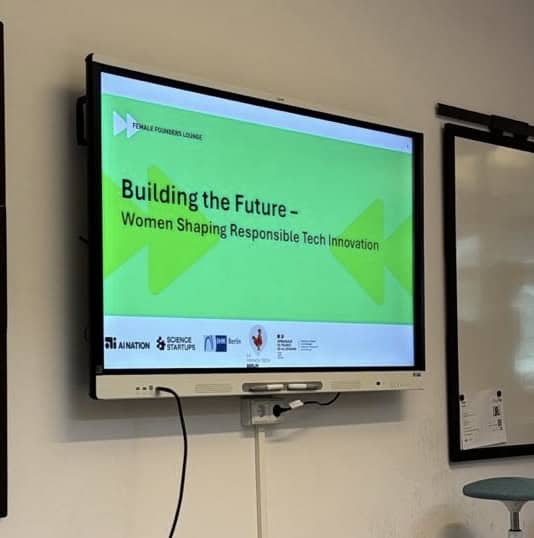
This breakfast edition gave the opportunity to meet inspiring female founders and leaders from 𝗙𝗿𝗮𝗻𝗰𝗲 and 𝗚𝗲𝗿𝗺𝗮𝗻𝘆, as they 𝘀𝗵𝗮𝗿𝗲 𝘁𝗵𝗲𝗶𝗿 𝗷𝗼𝘂𝗿𝗻𝗲𝘆𝘀 from science to entrepreneurship, the challenges they’ve faced, and the strategies that helped them step into 𝗹𝗲𝗮𝗱𝗲𝗿𝘀𝗵𝗶𝗽, 𝘃𝗶𝘀𝗶𝗯𝗶𝗹𝗶𝘁𝘆, and 𝗰𝗼𝗻𝗳𝗶𝗱𝗲𝗻𝗰𝗲 in emerging technologies.
Participants:
Dr. Tina Kluewer – AI Expert, Founder & Innovation Leader
Alexandra Begue – Open Innovation & Global Co-Creation Lead, SAP Research & Innovation
Jelena Ivanovska, PhD – Chief Scientific Officer, Provolut
Dr. Adiba Maignan, Co-Founder & Managing Director, duple by up – unfolding potential GmbH
Katja Brunner (Moderator) – Science & Startups Consultant / Female Founders Mentor
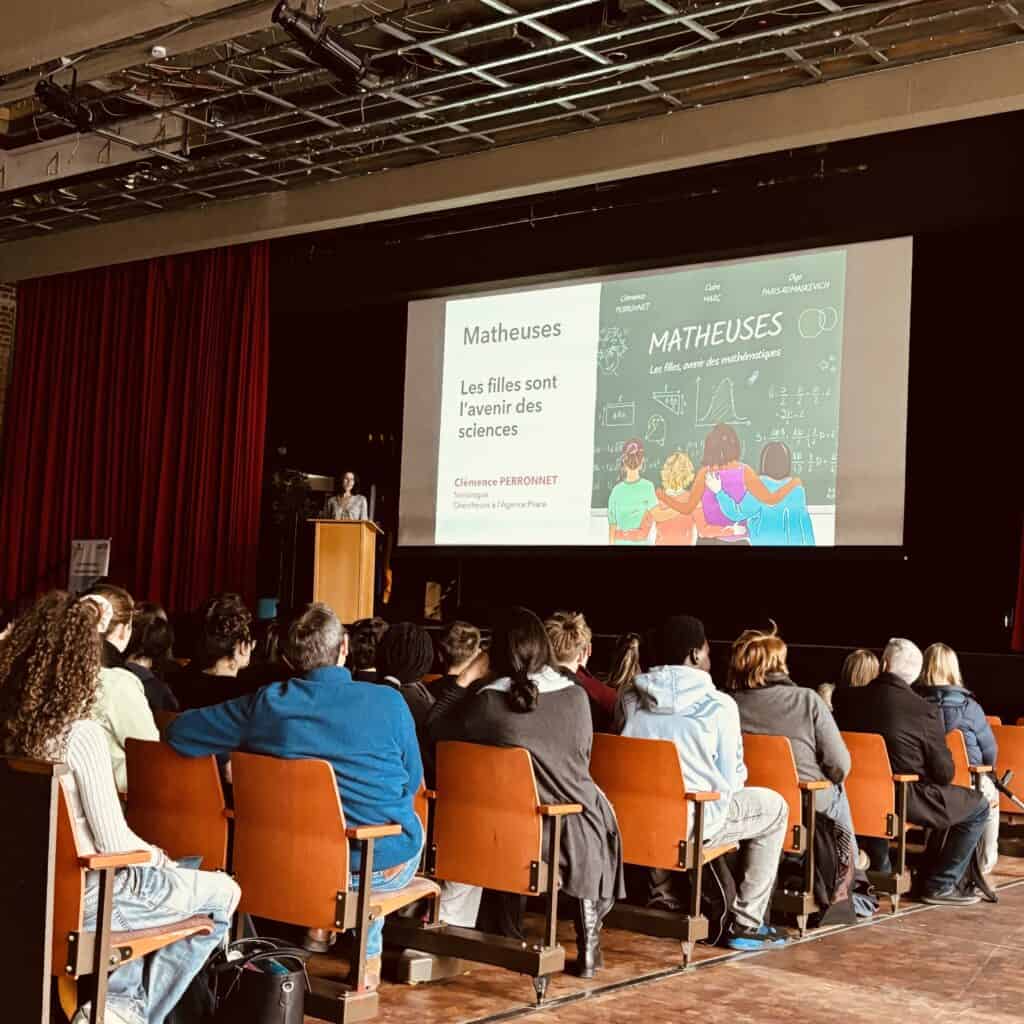
“Girls Do the Maths: Understanding and Reducing Gender Inequalities in Mathematics”, a lecture by Dr. Clémence Perronnet (with Technische Universität Berlin, Center for Interdisciplinary Women’s and Gender Studies – ZIFG)
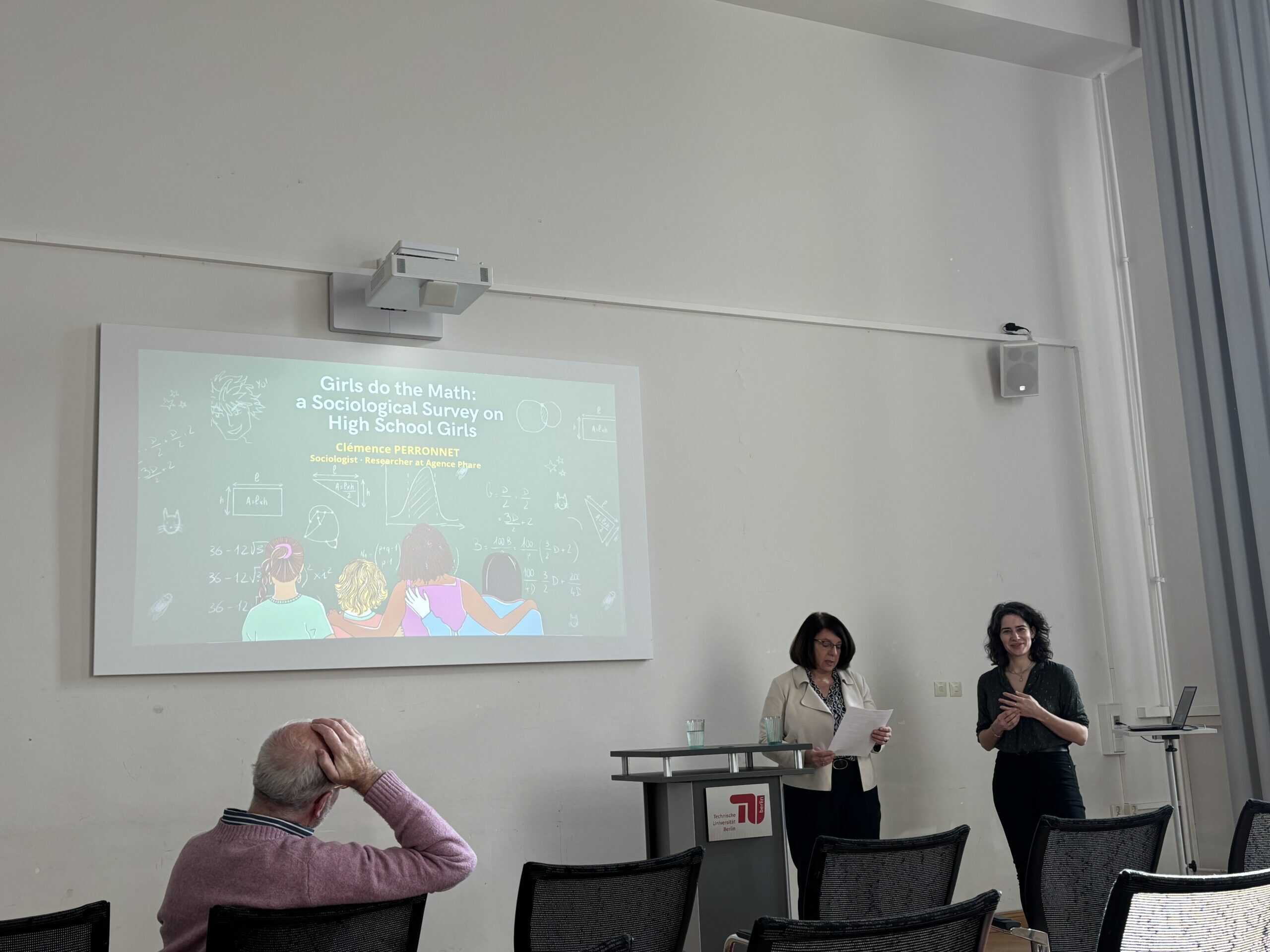
Moderated by Prof. Dr. Petra Lucht.
The discussion addressed the persistent underrepresentation of women in mathematics and explored the mechanisms that continue to shape gender disparities in this field. Drawing on several sociological field studies, Clémence Perronnet examined the ways in which attitudes towards mathematics are socially constructed. Her presentation questioned widespread assumptions surrounding mathematical ability, particularly the enduring belief that success in mathematics depends on an innate form of “genius.” Instead, the talk emphasized the role of socialization processes, educational environments and cultural representations in shaping young people’s relationship to mathematics.
The lecture also explored why mathematics often appears less attractive to girls than other scientific disciplines, addressing questions related to perceived talent, curiosity, and the influence of gender stereotypes in educational pathways. By highlighting these mechanisms, the discussion pointed to possible avenues for reducing inequalities and fostering a more inclusive environment in mathematics education and research.
Clémence Perronnet is the author of several books on these issues: La bosse des maths n’existe pas (Autrement, 2021), Matheuses : les filles, l’avenir des maths (CNRS Éditions, 2024), and Les filles sont parfaites pour les sciences (MkF Éditions, 2025).
An event designed with young girls and boys in mind: activities at the Deutsch-Französisches Gymnasium
The Office for Science and Technology of the French Embassy in Germany extended this initiative to the Lycée Français de Berlin, with a programme of activities aimed at engaging students and raising awareness of the place of women in science.

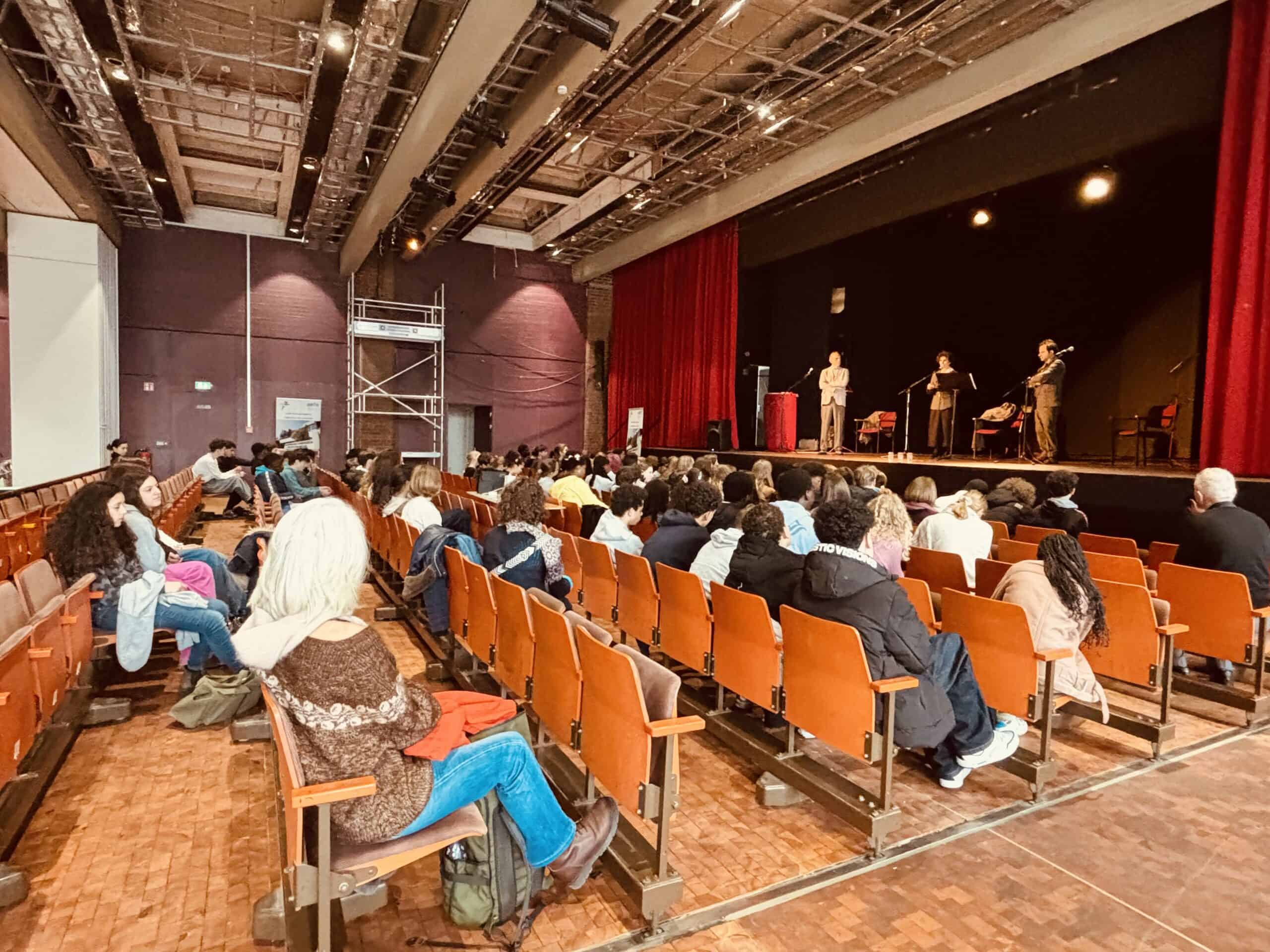
The La Reine Blanche theater company performed the reading of the play Exil intérieur on Lise Meitner and nuclear fission for more than a hundred middle and high school students.
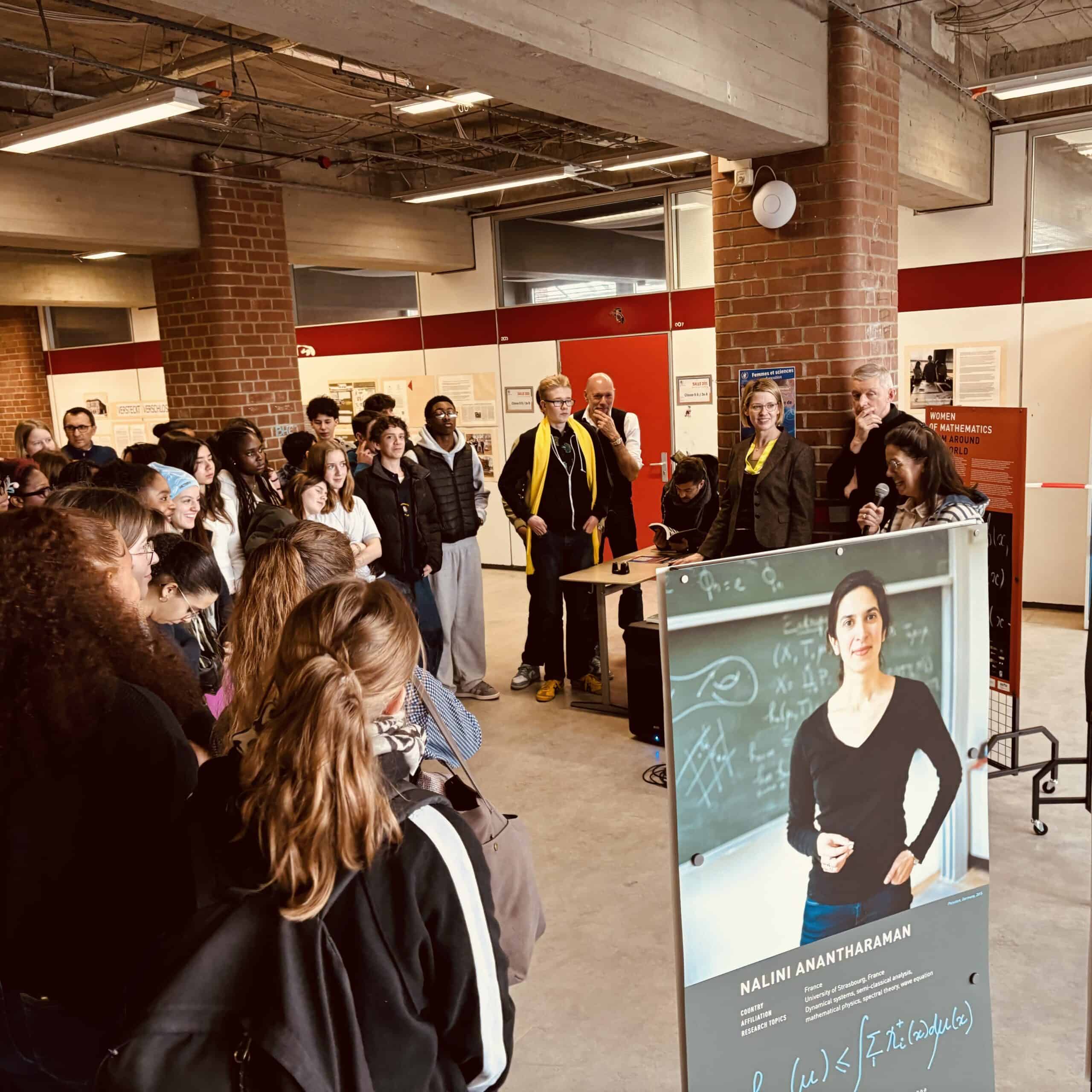
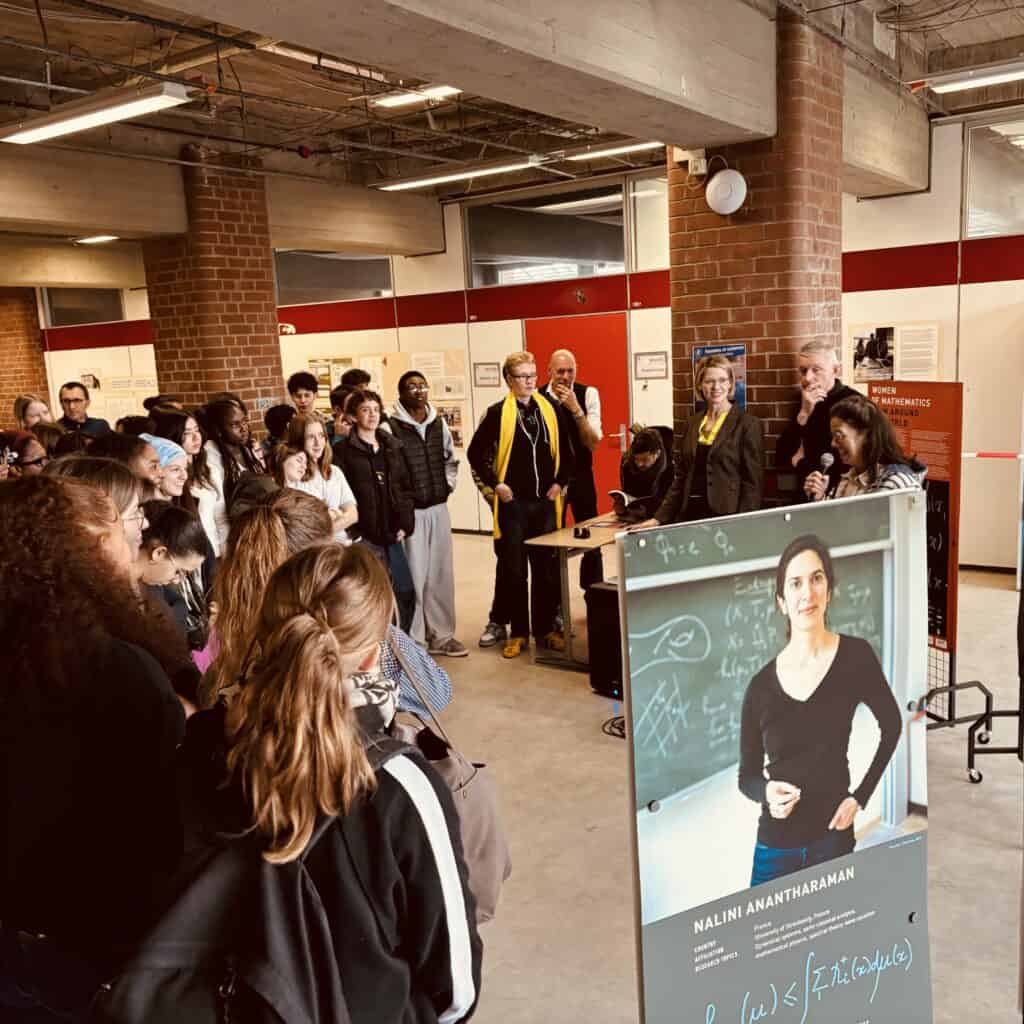
The programme included also the opening of the exhibition “Women of Mathematics Throughout the World” (Femmes de maths et du monde), developed by Sylvie Paycha and Noël Tovia Matoff, which showcases the diversity of women’s scientific careers through a series of portraits of mathematicians from different countries and backgrounds. A selection of twenty portraits of women mathematicians was displayed within the school for a period of three weeks, offering students an opportunity to discover inspiring scientific trajectories.
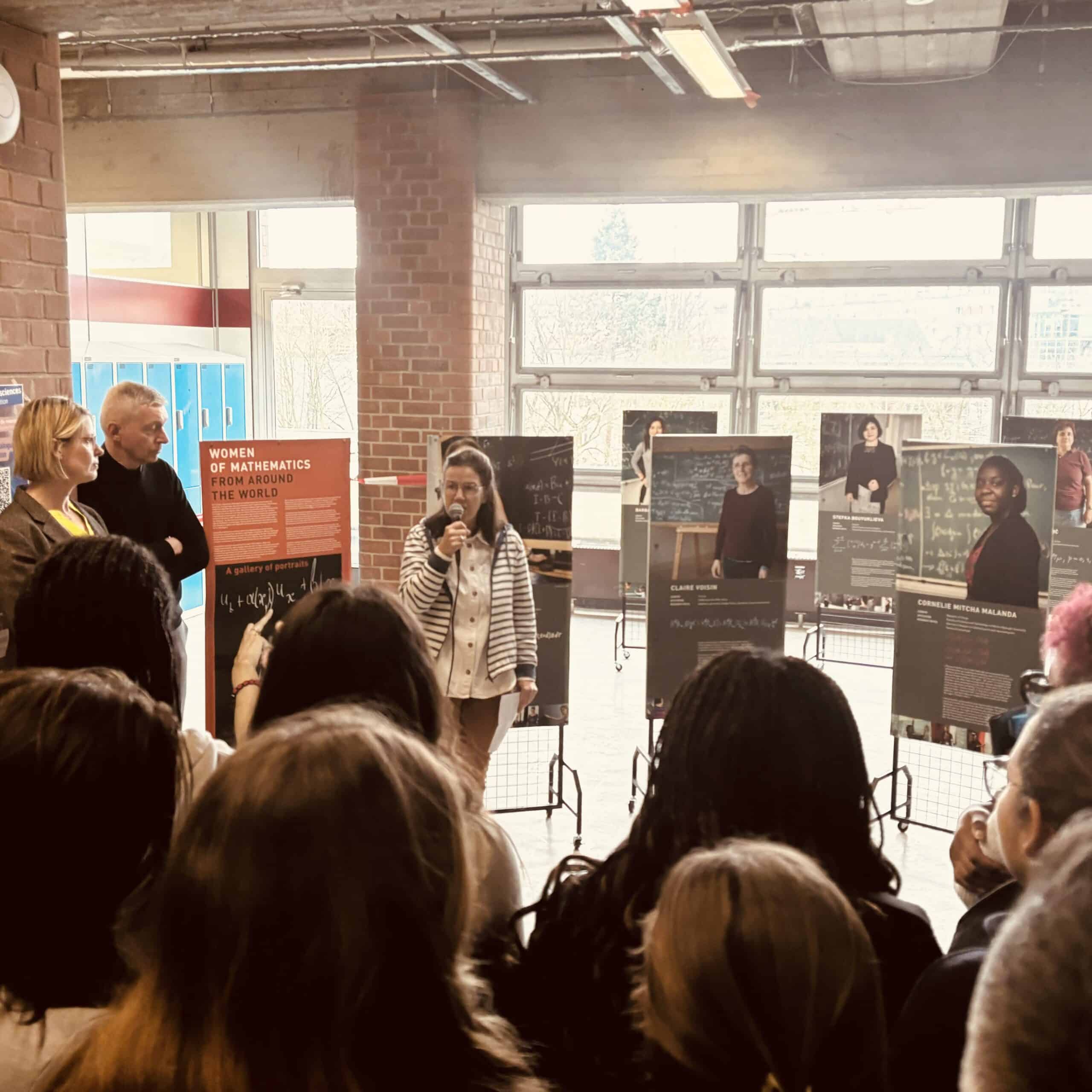
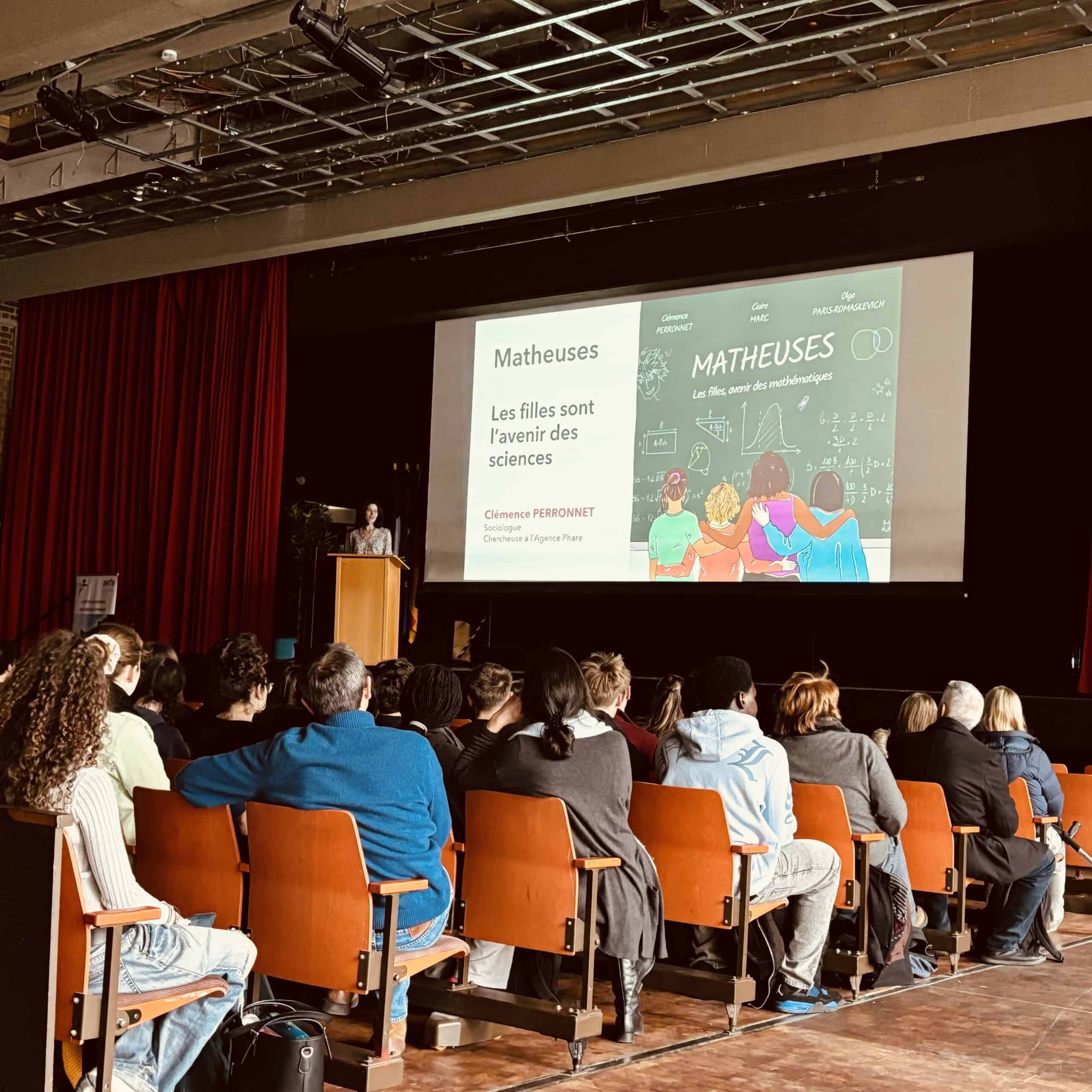
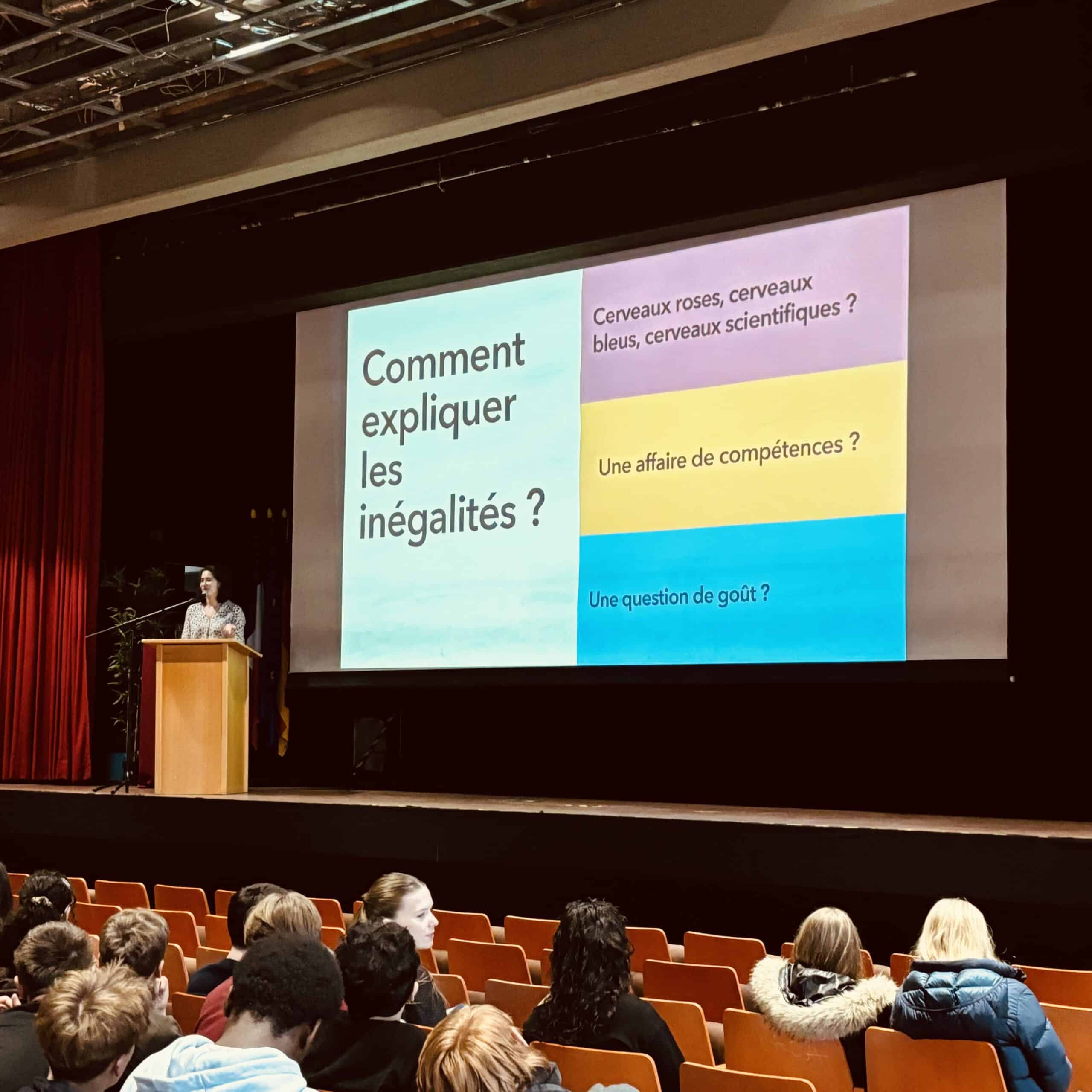
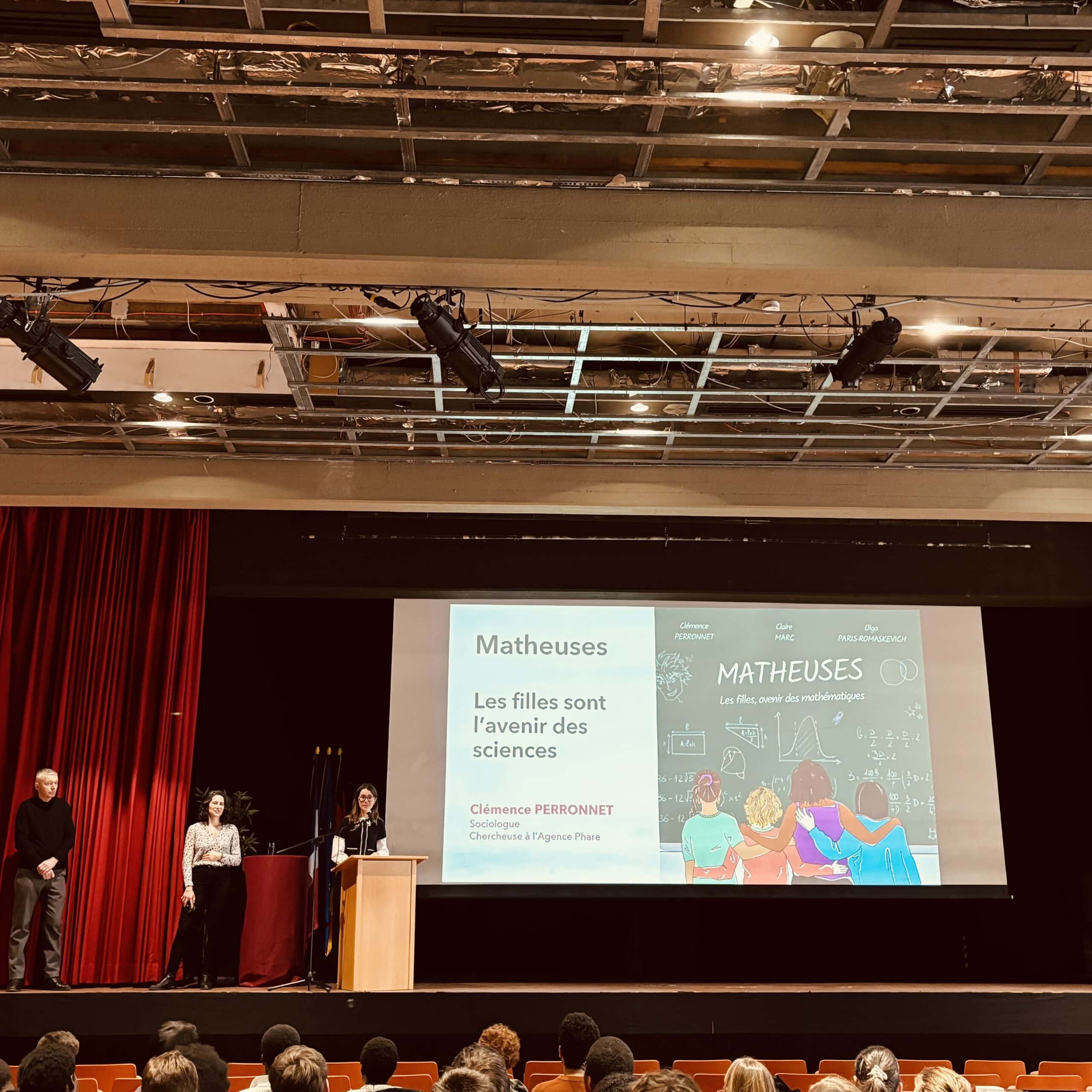
The day concluded with a conference entitled “Mathematics: Beyond Common Misconceptions”, delivered by sociologist Clémence Perronnet. The talk addressed persistent stereotypes surrounding mathematical ability, challenging the idea of an innate “gift” for mathematics and examining the social and gender inequalities that continue to shape access to scientific fields.
Participants
Prof. Dr. Jutta Allmendinger, professor of Sociology, Member National Science Council and Ethics Council
Gesine Born, founder of the Bilderinstitut in Berlin
Prof. Dr. Elisabeth Bouchaud, director of the theater La Reine Blanche
Martina Cannone, Policy Assistant of the European Commission
Dr. Veronique Charlety, Head of the University Cooperation Office at the French Embassy in Germany
Dr. Effrosyni Chelioti, Head of Strategy and Policy Division at the Federal Ministry of Education and Research
Oriane Gilloz, Policy Officer at the European Commission
Dr. Laurence Guyard, Deputy to the Deputy Director General for Science at ANR
Prof. Dr. Nils Hansson, Professor at the Department of History, Theory and Ethics of Medicine, Heinrich-Heine-University Dusseldorf
Dr. Annabella Hüfler-Fick, program director at the Volkswagen Foundation
Prof. Dr. Çiğdem İşsever, experimental particle physicist at Humboldt University of Berlin
Prof. Dr. Elyès Jouini, director of the UNESCO Chair “Women and Science.” at Paris Dauphine-PSL
Ricarda Knauf, deputy head at Franco-German University
Élisabeth Kohler, Director of the Mission for the Place of Women at CNRS
Sören Krach, Professor of Social Neuroscience in the Department of Psychiatry at the University of Lübeck
Julia Milbredt, Head of Female Science Talents at the Falling Walls Foundation
Carole Modigliani Chouraqui, Head of the Department for Societal and Environmental Challenges at the French Ministry of Higher Education, Research and Space
Dr. Clémence Perronnet, sociologist and researcher at Agence Phare
Dr. Minh-Hà Pham, Member of the Board of Directors of the Association of Women Leaders in Higher Education, Research and Innovation (AFDESRI)
Dr. Luana Quattrocelli, Head of the Organisations Department at the Higher Council for the Evaluation of Research and Higher Education (HCERES)
Dr. Eva, Reichwein, Deputy Head Equal Opportunities, Research Integrity and Programme Development Division at DFG
Prof. Dr. Julia Sacher, professor of Cognitive Neuroendocrinology at the Max Planck Institute for Human Brain Sciences
Noha Salama, Germany Chapter Director of Women in Tech – Global Movement
Lioba Suchenwirth, Vice President and Co-Founder of Women in AI & Robotics Germany
Mathilde Vivot, Senior Technical Expert on Innovation Policies for French-German Cooperation at the French Ministry for Europe and Foreign Affairs (Sprind Bundesagentur)
Dr. Ulla Weber, Gender Equality Officer of the Max Planck Society.
Rédaction : Noela Müller, Julie Le Gall
Crédit photos : Monique Ulrich, Ambassade de France à Berlin, février 26.
Mise à jour : 11 mars 2026